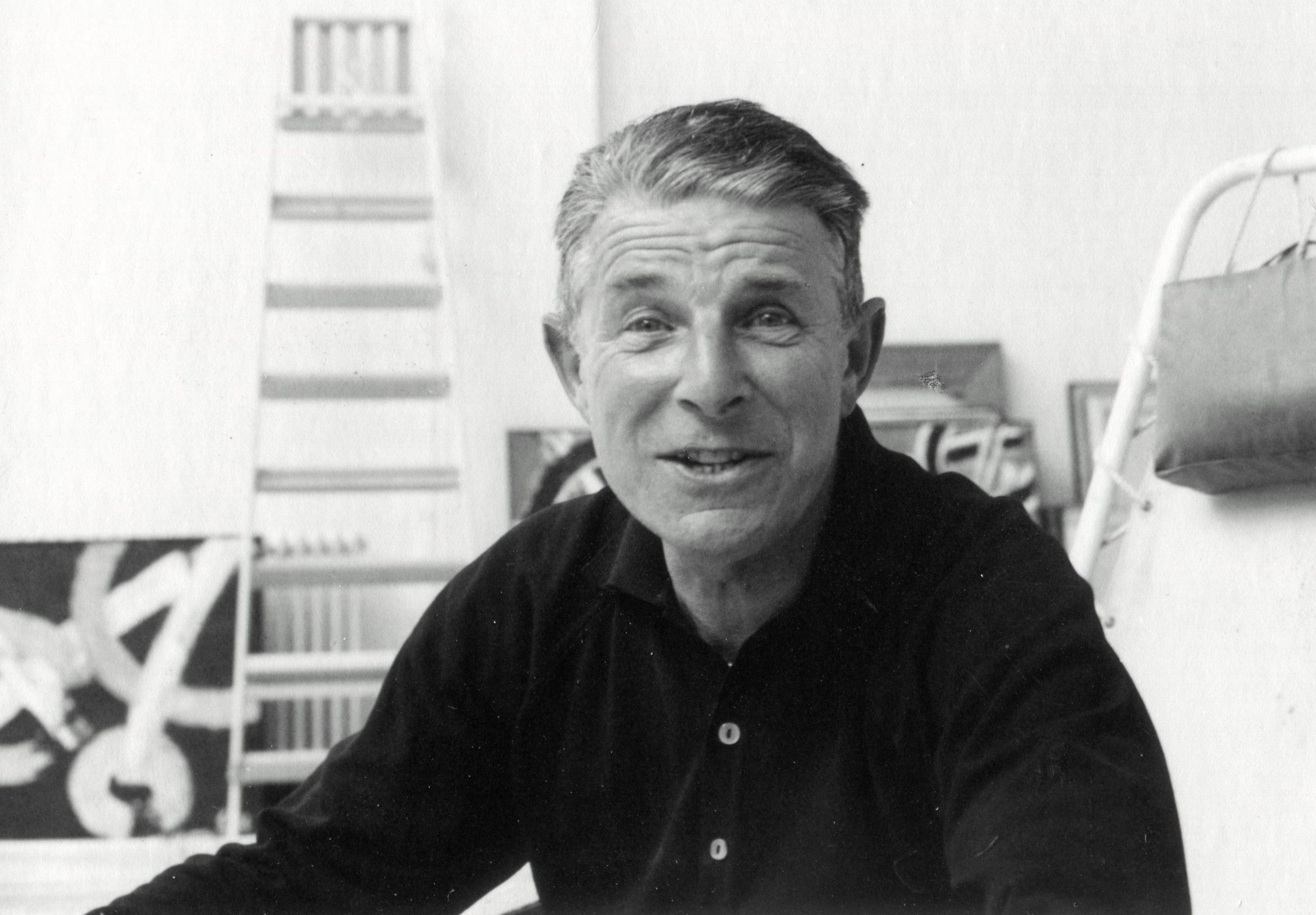
BIOGRAPHY (1905-1992)
1905 – 1925
CHILHOOD
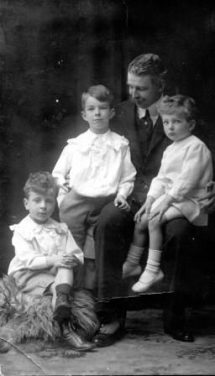
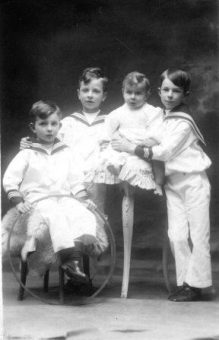
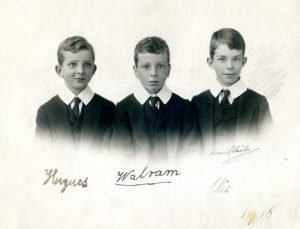
Eldest sibling of four boys.
THREE BROTHERS :
Walram 1906-1969
Hugues 1908-1964
Serge 1912-2000
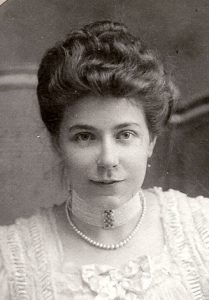
MOTHER Ruth Snyder
1876-1964
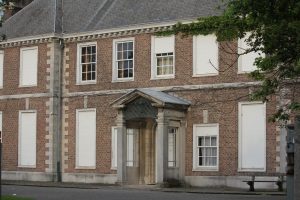
His mother, Ruth Reilly Snyder was a descendant from Charlemagne Tower, wealthy industrialists from Philadelphia.
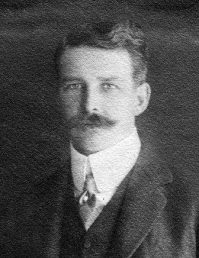
FATHER Camille de Borchgrave
d’Altena 1870-1940
1925 – 1935
YOUTH IN BELGIUM
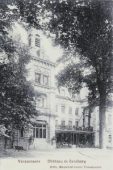
It was natural in families of the nobility that family boys embrace either a military career or a diplomatic career.
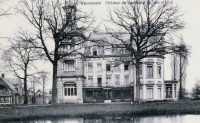
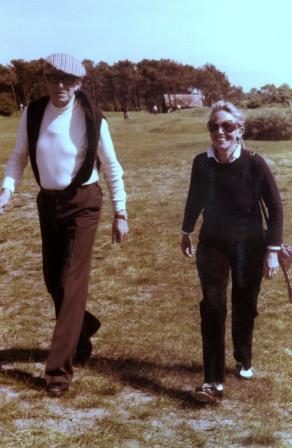
Found of golf playing, Elie became at Ravenstein Royal Belgian golf club champion in 1929, 1930, 1933 and 1936.
Golf player: handicap +2
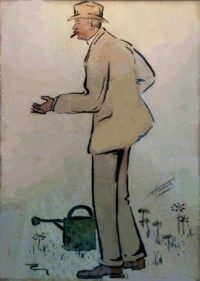
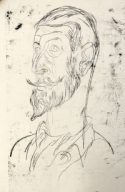
Camille de Borchgrave’s caricature exhibited
at the Royal Ravenstein Golf Club House.
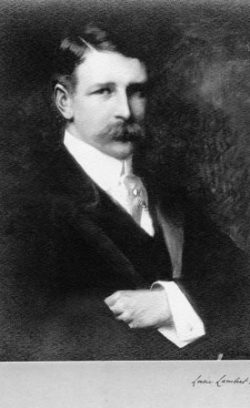
1907 His father, Camille de Borchgrave,
by Louise Lambert.
1935 – 1940
THE DISCOVERY
Elie Borgrave travelled all over Europe and in USA.
This great artistic shock determined his life as an artist and decided him, repelling all the ways that prevent him from keeping his individuality, to be a painter.
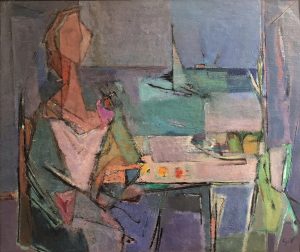
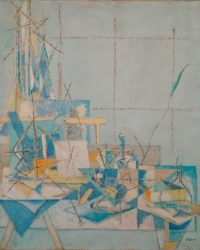
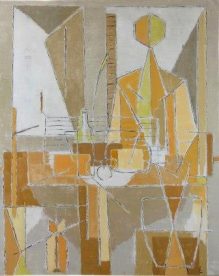
He felt an emotional revelation facing Georges Braque, Matisse and Juan Gris cubist paintings.
He broadened his knowledge of art history by learning about the great masters.
1940 – 1946
THE WAR
May 1940, he is back in Belgium and mobilized but, after the Belgian and French capitulation, he left for Spain and Portugal, waiting for visas and tickets to South America. In Rio de Janeiro, under difficult conditions, he lived restauring fresco paintings of Copacabana hotel and teaching golf to President Vargas.
In 1941 april, he arrived in New-York from Buenos-Aires, then Canada to join the Free Belgium Forces where they were regrouping to fight. They were trained by the British army in commandos. Back in United Kingdom , he came up against the military authorities and was demobilized.
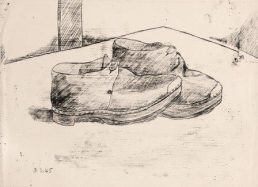
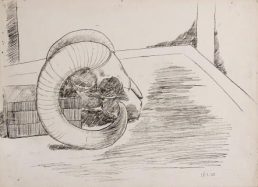
Shoes Dated drawing 3.2.45
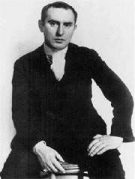
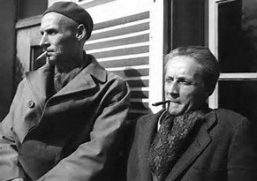
Jankel Adler, former professor
at the Bauhaus, in exile in London.
The latter painted a portrait
of Elie Borgrave and the two
artists will become good friends.
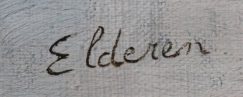
Elderen bold pastel 49 x 39 cm
Private collection
1946 – 1948
AFTER THE WAR
He divided his time between Brussels, Paris and New-York.
1948 – 1954
AMERICAN TIME
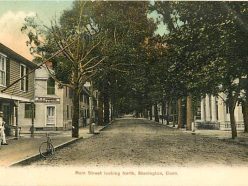
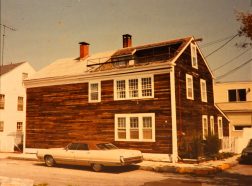
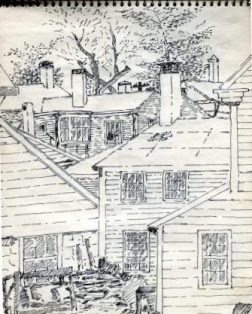
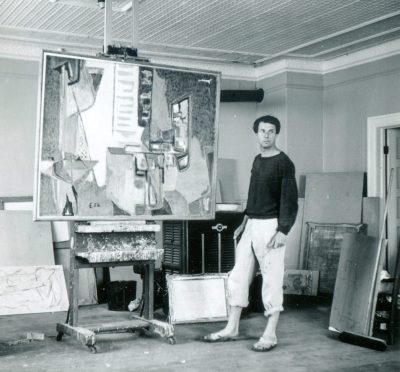
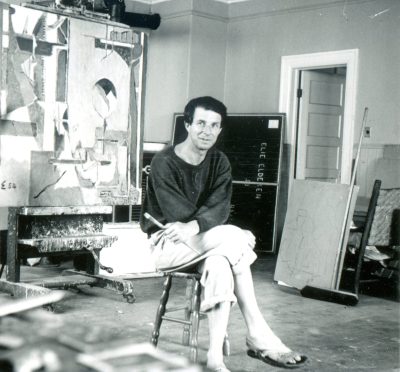
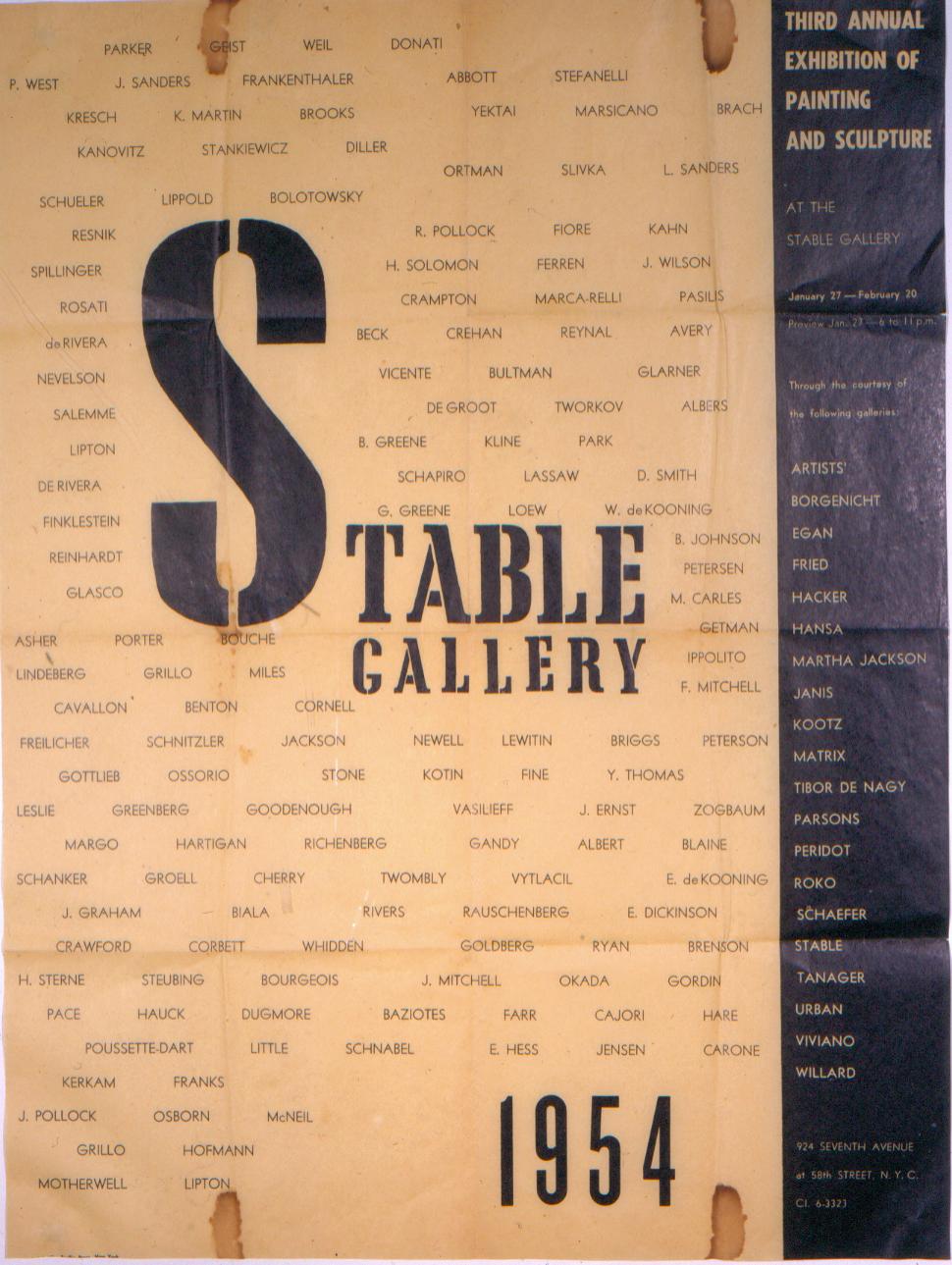
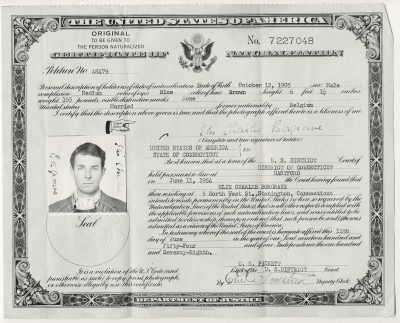
In 1949, he set up residence and studio in Connecticut ,5 north West Street at Stonington (150 kms from New-York)
In the same time, Borgrave founded there a Modern Art Summerschool with his brother in law, David Chapin, American abstract painter.
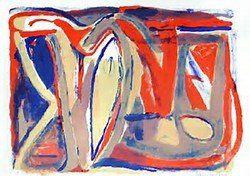
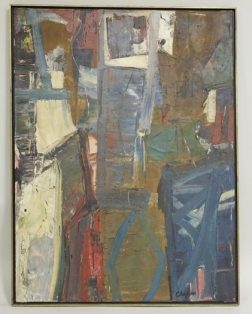
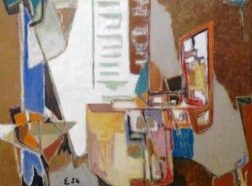
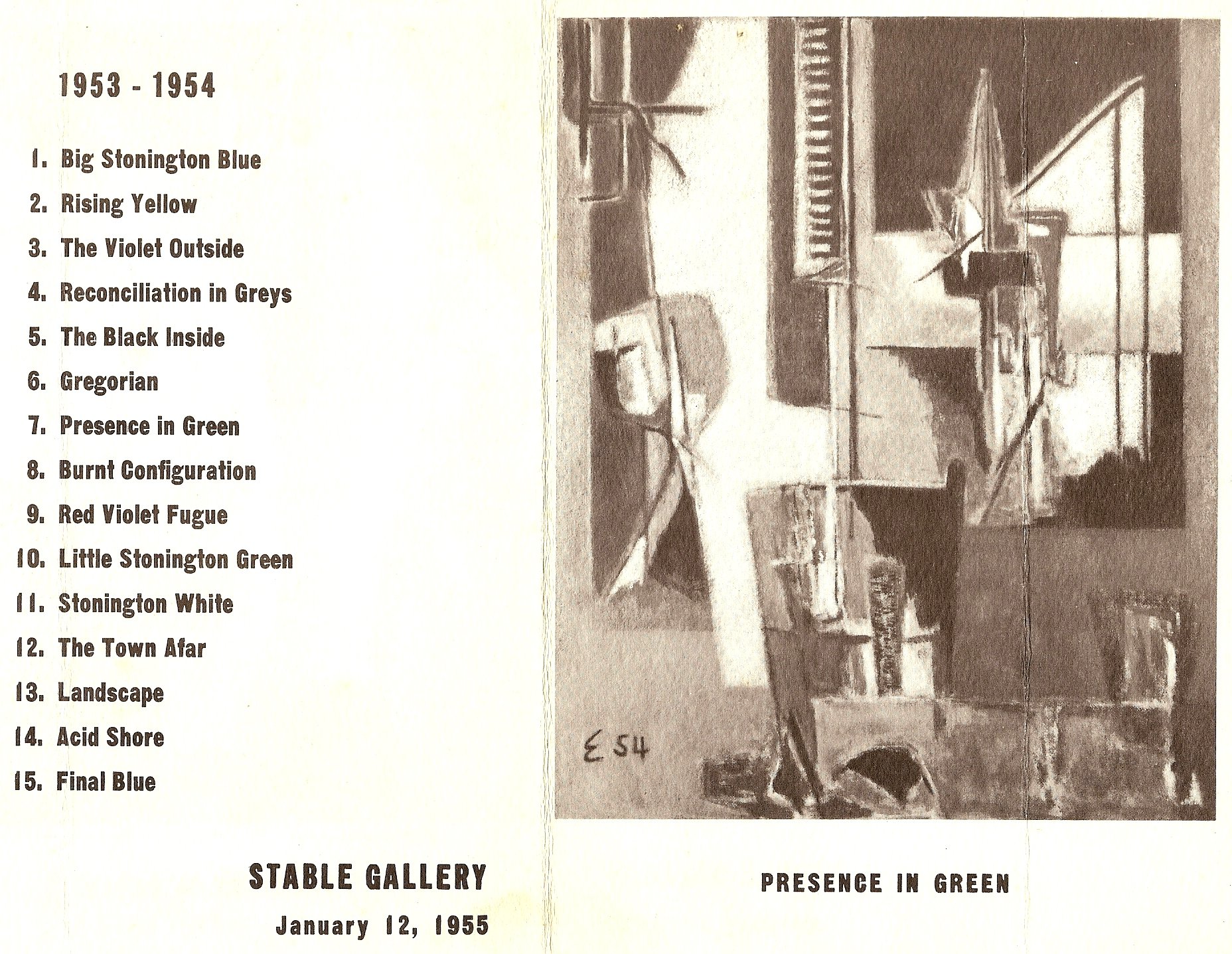
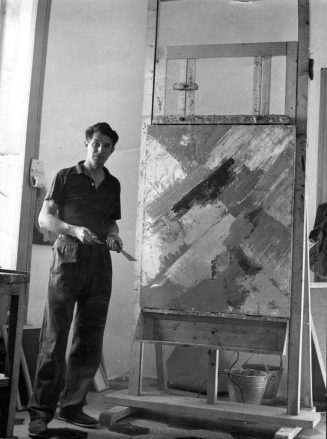
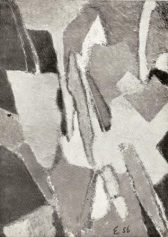
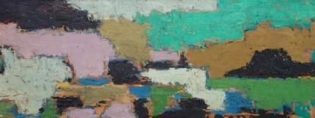
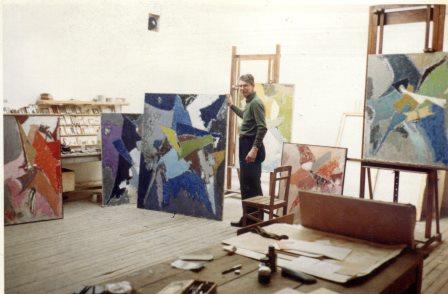
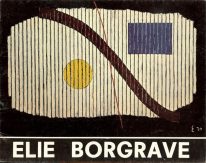
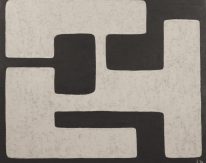
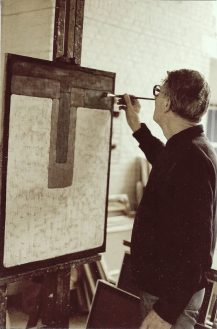
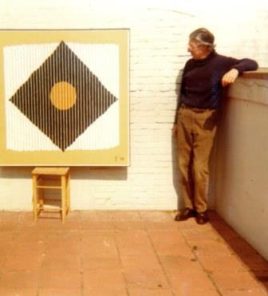
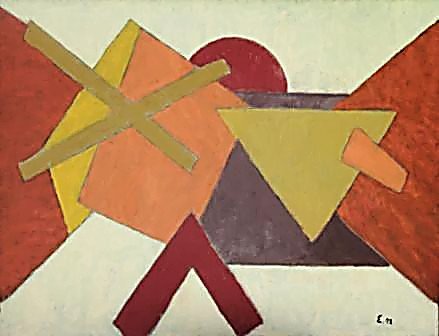
His style was decided, non figurative, a form of lyric abstractism or abstract expressionism but he did not want to belong to a particular art movement.
His painting reflected an intellectual, almost mystical approach which tent to show a search to absolute.
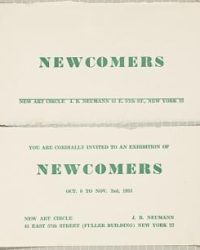
Neumann moved to New York City in 1923, a year later he would open a gallery, first called J.B. Neumann’s Print Room and later the New Art Circle gallery, which was also known as a meeting spot for artists and art lovers.
1955 – 1958
ITALIAN TIME
At 1955, he decided to return to Europe.
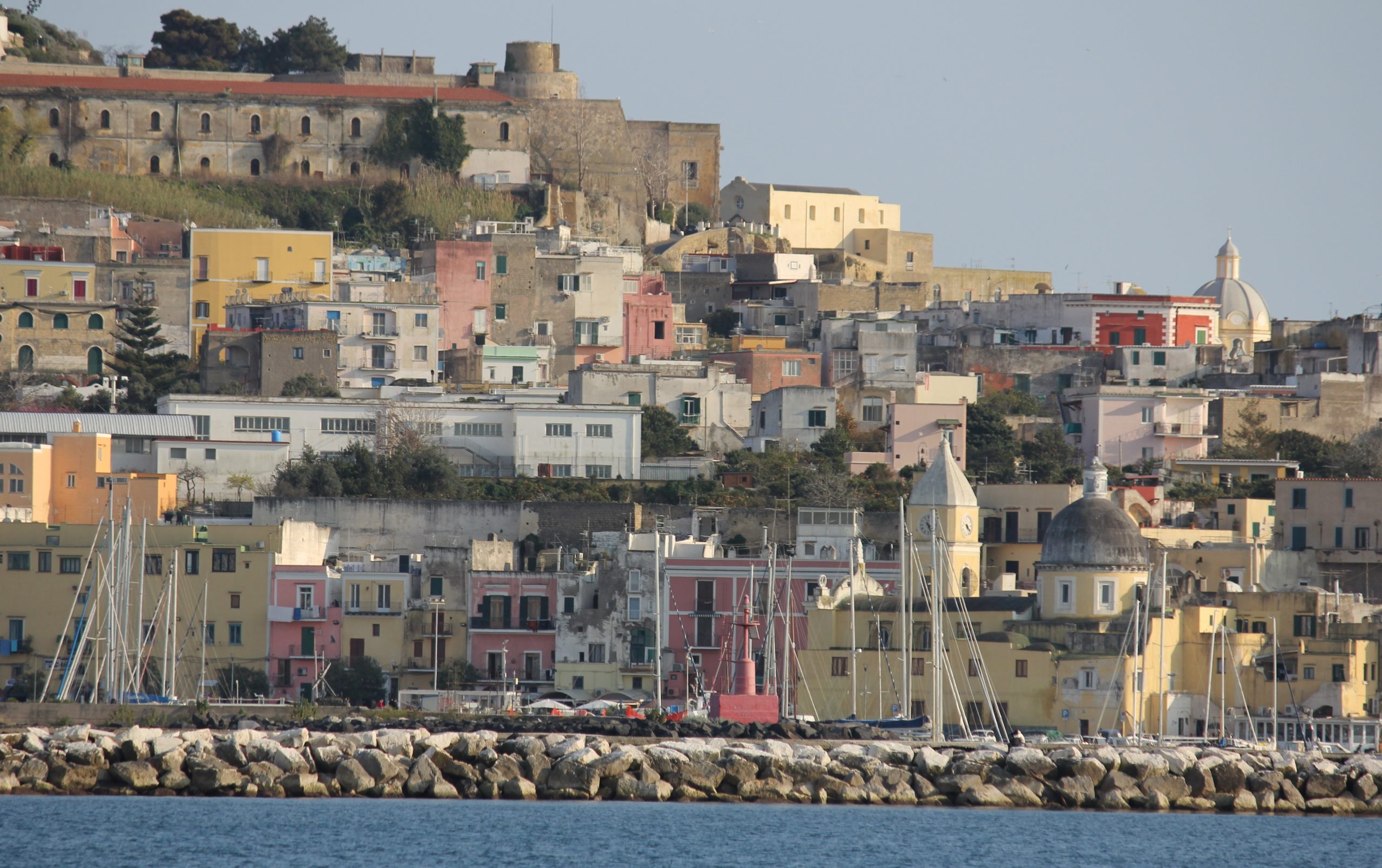
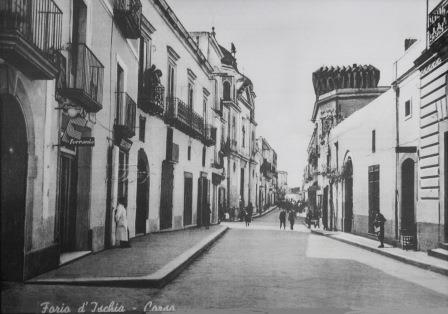
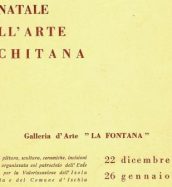
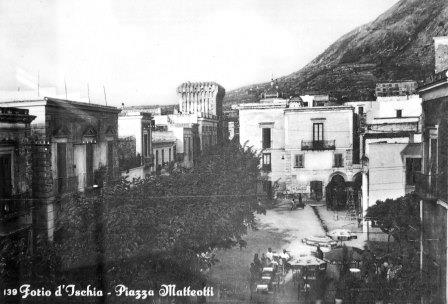
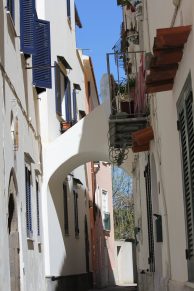
He moved to the island of Ischia, at Forio d’Ischia in front of Napoli in Italy.
1958 – 1962
FRENCH TIME
In that time, he participated to exhibitions in United Kingdom and in Germany (Dusseldorf).
Elie Borgrave and his family settled in Fourqueux, to the west of Paris,
near to St Germain-en-Laye and Fourqueux’s golf club.
1963 – 1989
BELGIAN TIME
Back in Brussels, Borgrave lost his mother who was still living at Knokke, and settled there for a while.
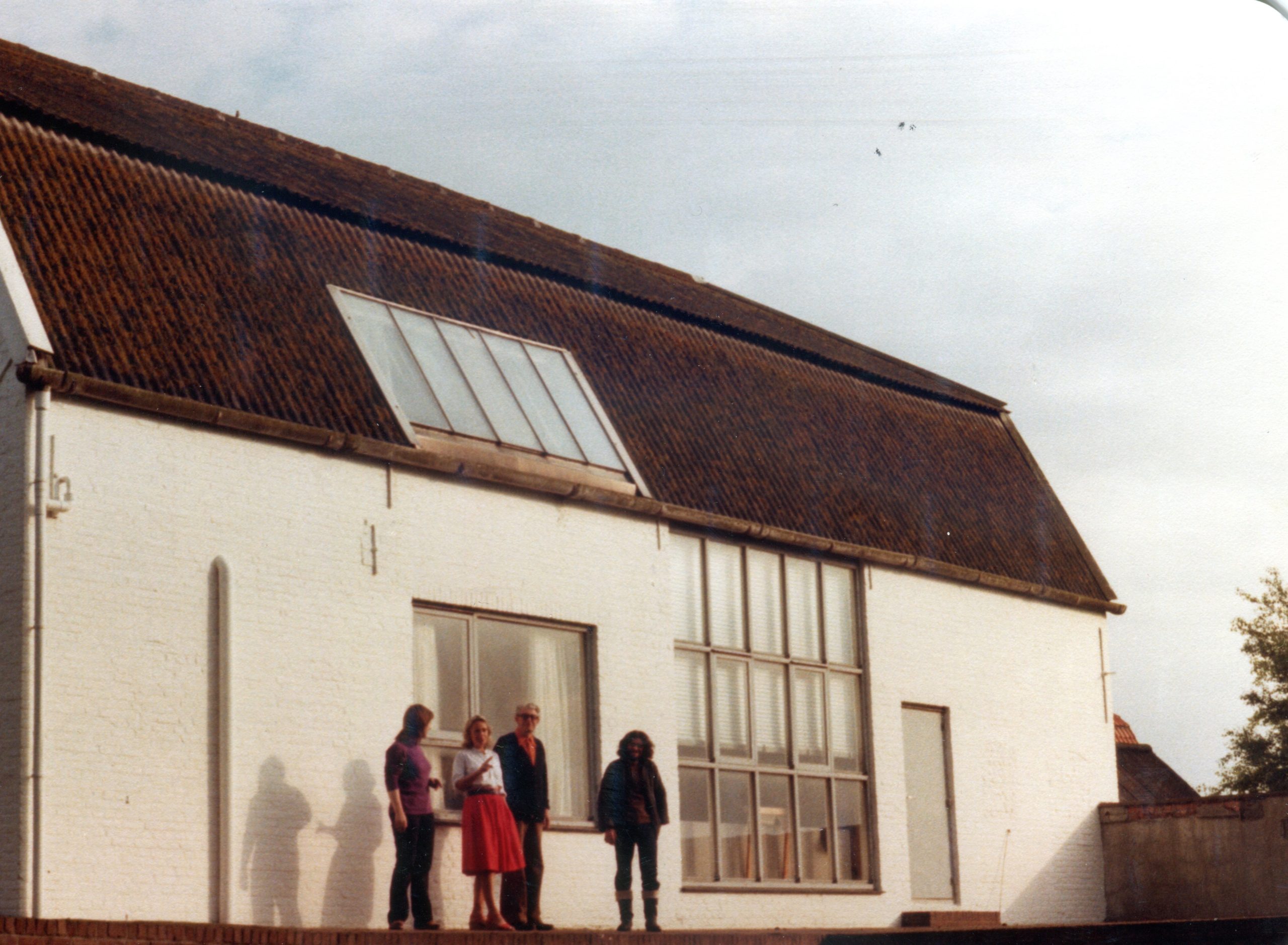
These setbacks encouraged him to seek serenity. Living in Ixelles, he met a new lady, a widow, from Antwerp. He will find with her a new inspiration, a faith and a new impetus. He married her and seeked a place to live and paint.
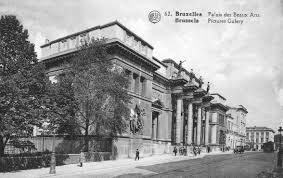
In 1963, he saw his career revived, despite his long absence, by a personal exhibition at the Palais des Beaux-Arts in Brussels
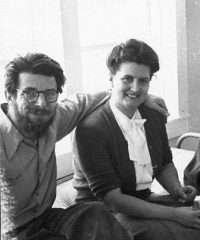
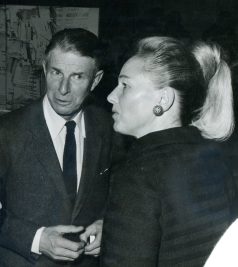
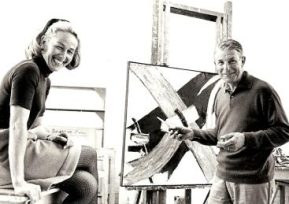
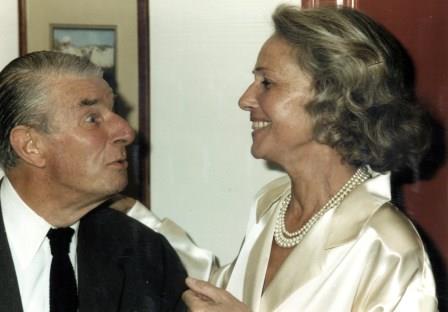
Elie and Lucie de Borchgrave at exhibitions openings
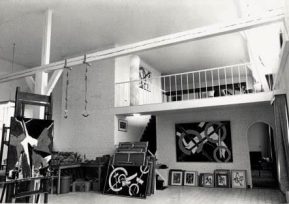
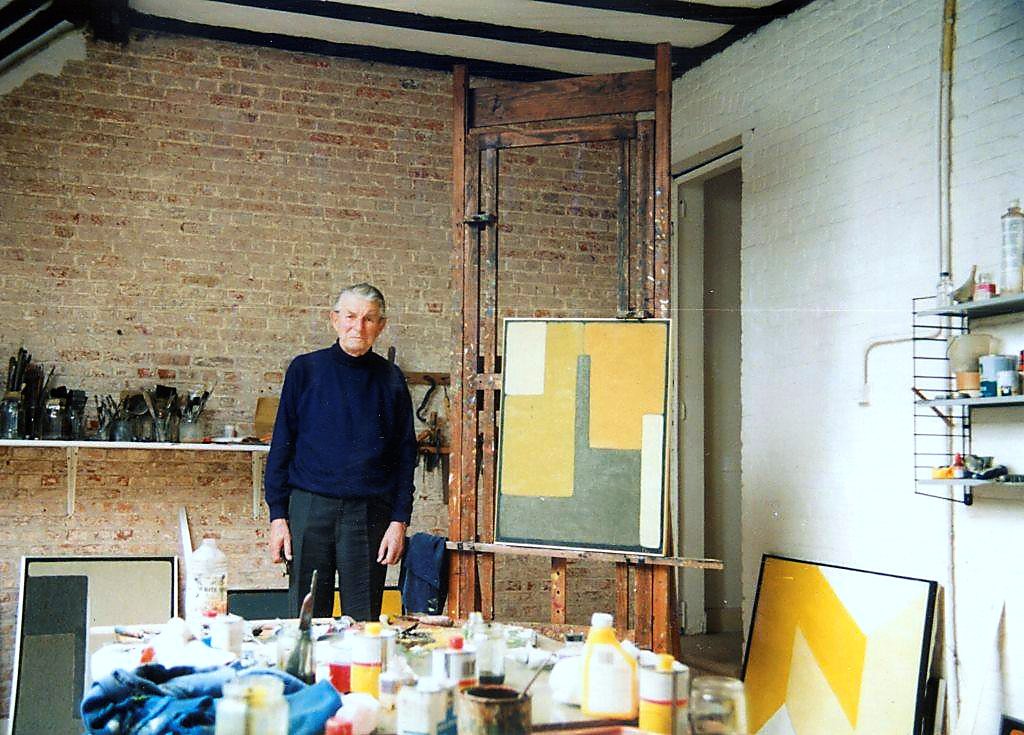
The campaign, soothed and allowded him to return to find his values. They are assumed, and its production will be prolific for twenty years.
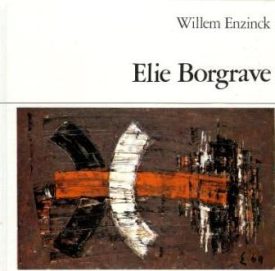
Willem Enzinck : 1969 “Elie Borgrave” Arts & Voyages Editions, Lucien de Meyer, Belgium
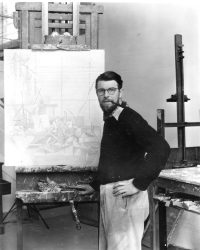
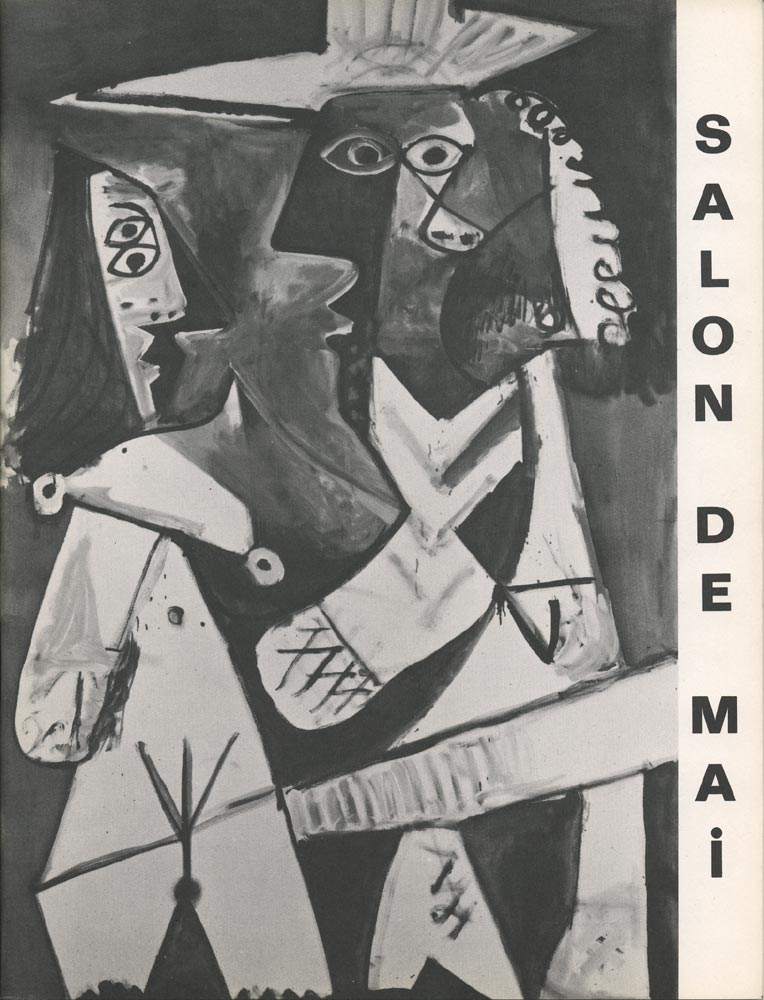
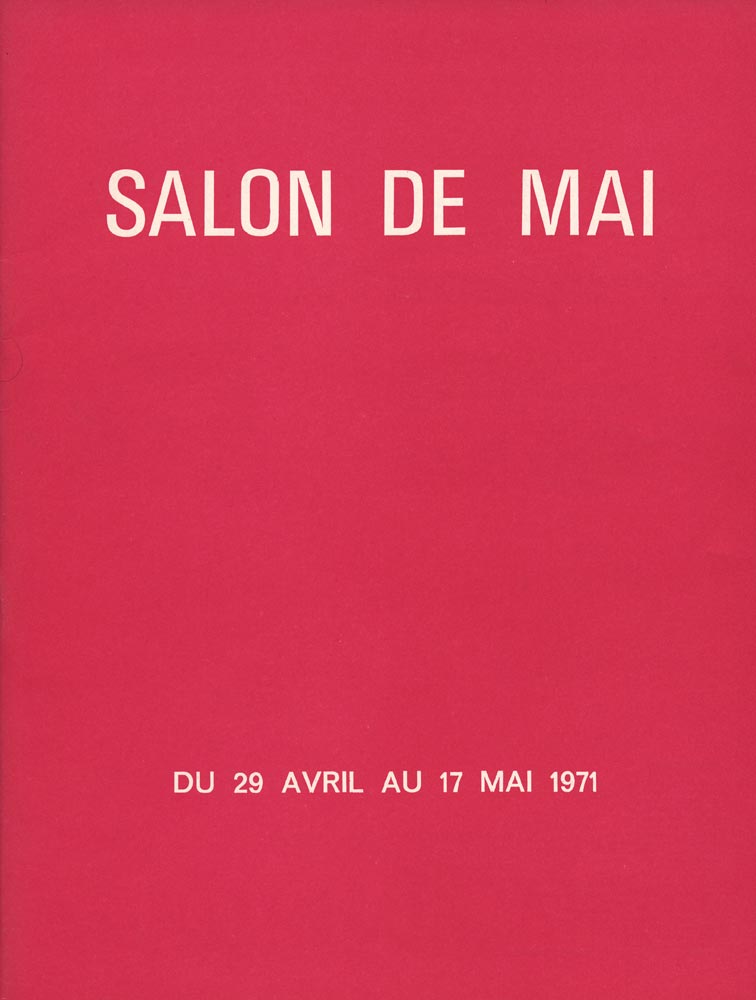
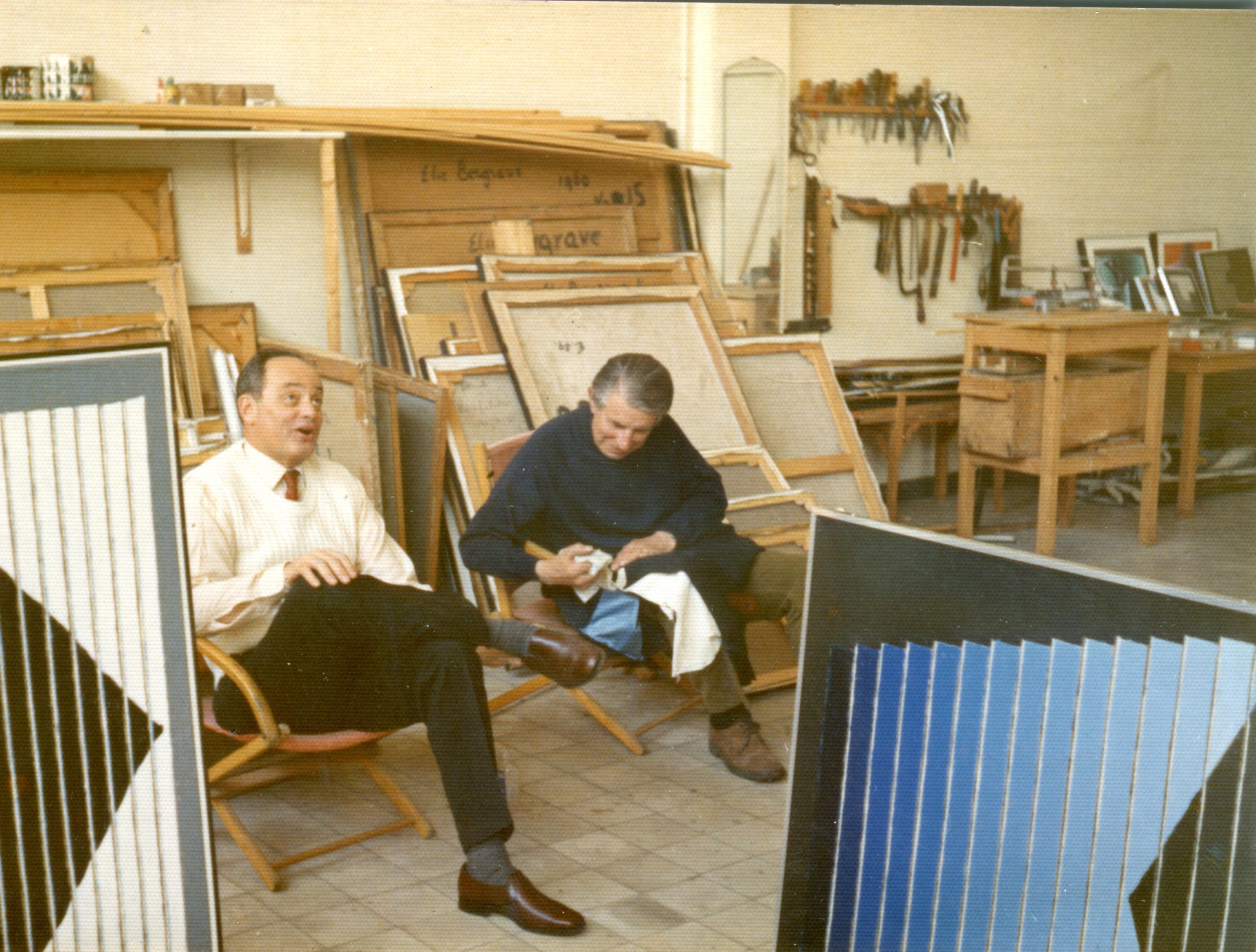
During this Dutch period, he multiplied the exhibitions and had be chosen to represent his country at the World Exhibitions (Belgian Pavilion) in 1970 in Canada (Montréal) and 1972 in Japan (Osaka) with the help of his friend, Emiel Veranneman, designer and art dealer, who exhibited him in Brussels.
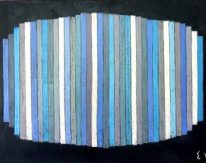
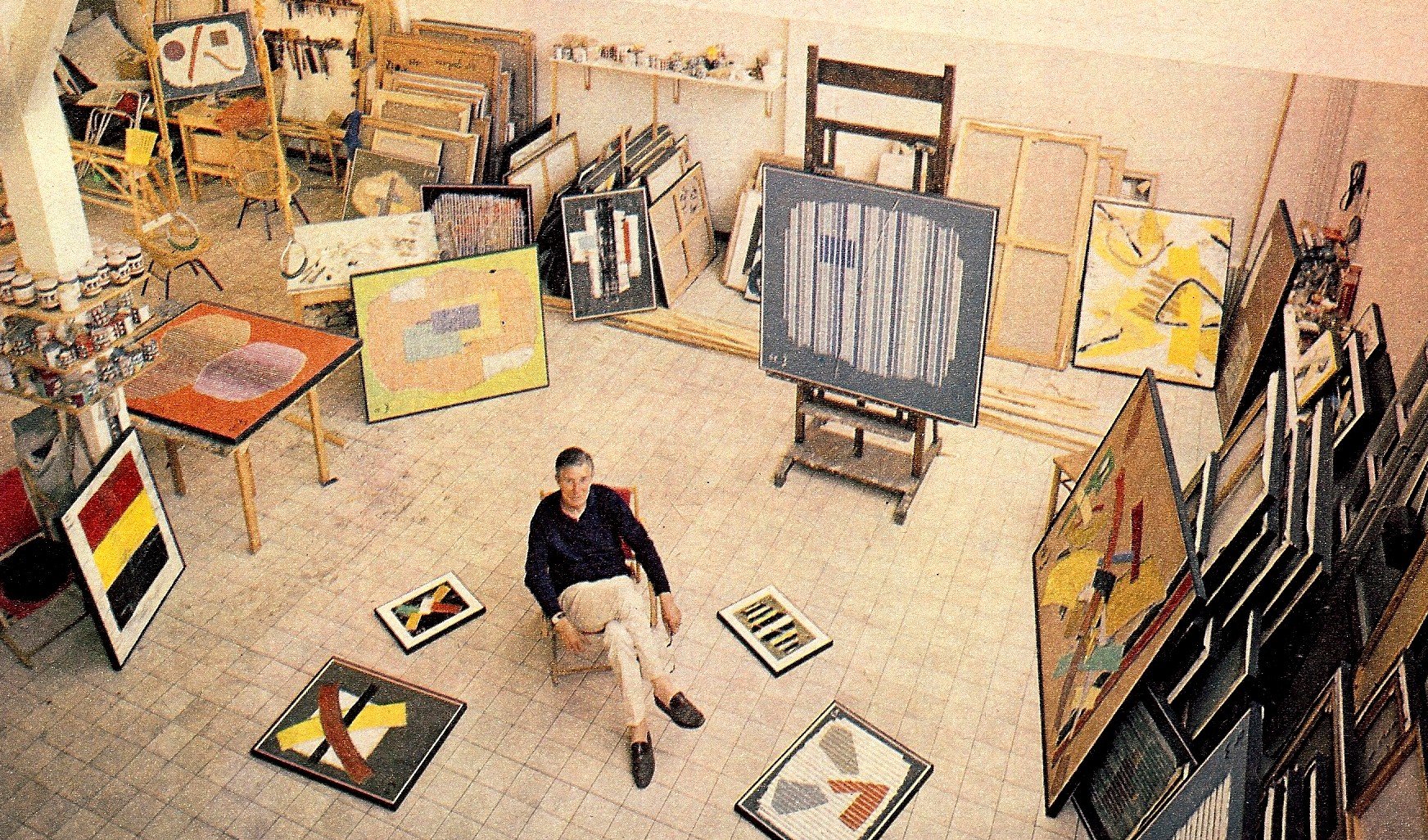
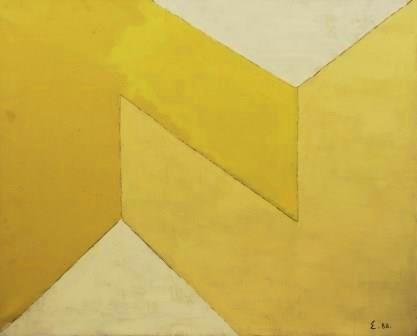
In his early 1960’s, he extricated himself from the ‘old cubism’ in a cosmic conception.
1989 – 1992
LAST TIME
“The time has come to pay tribute to ELIE Borgrave who patiently, silently, I would say religiously, accumulated a work of quality and distinction. We show a fifty paintings of the 60s, 70s and 80s, and the sense of power that emerges is consistent with a surprise: this one of our most important abstract painters living and working tirelessly on our side and … we knew him so bad!
Willy d’ Huysser (1989)
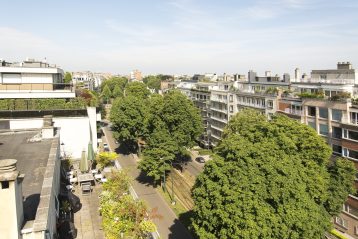
Av. Winston Chruchill in Ixelles
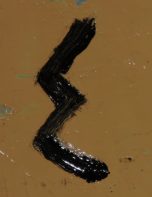
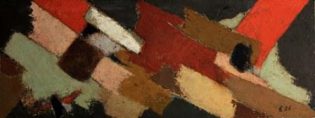
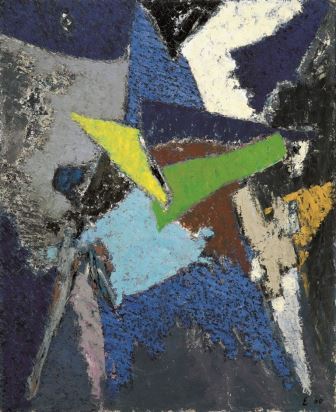
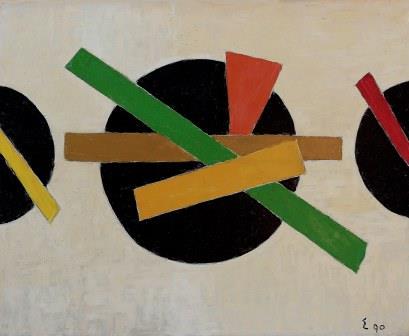
Oil on canvas, monogrammed “Σ90”,89 x 116cm