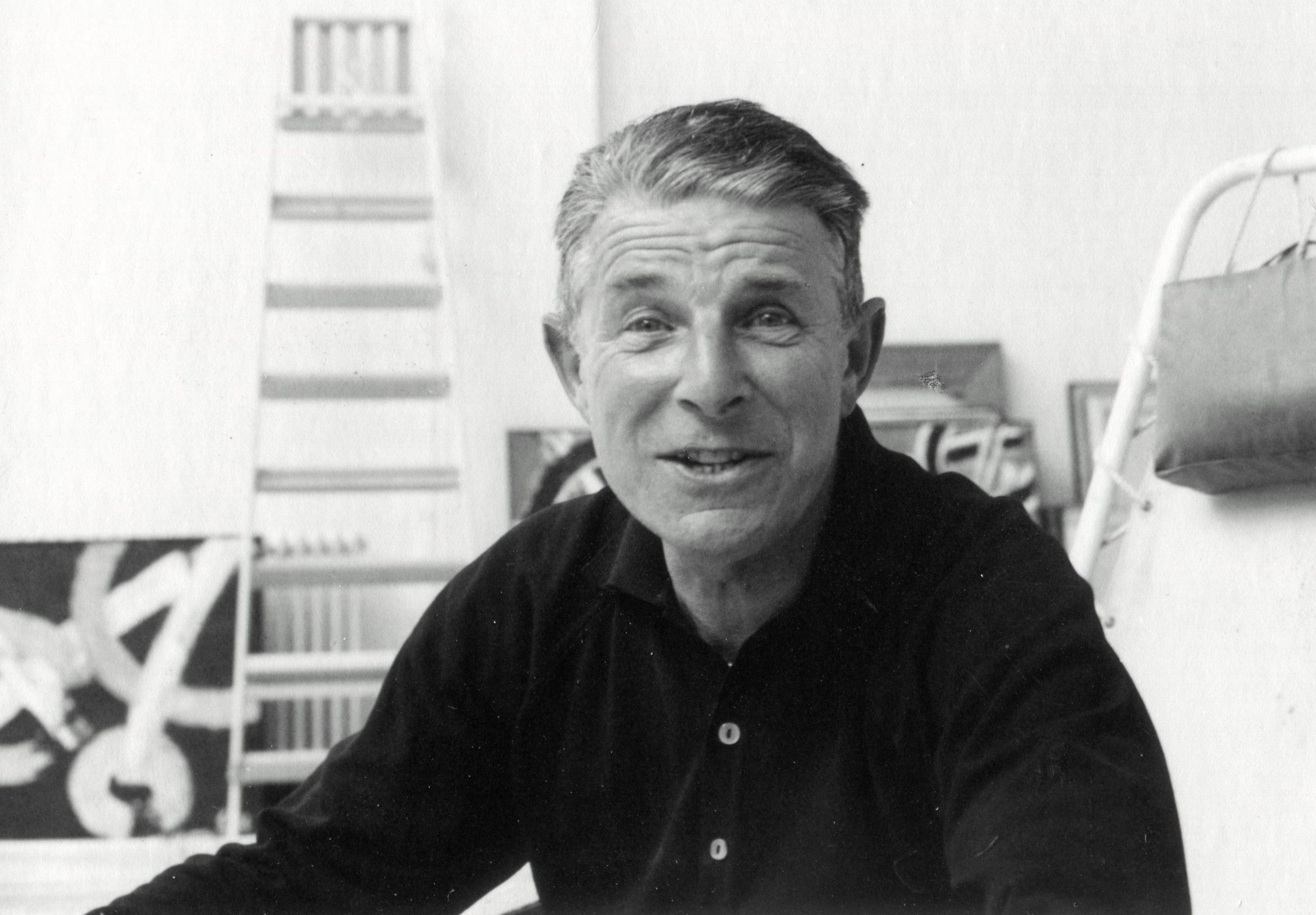
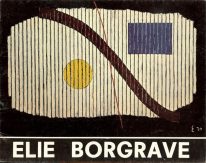
BIOGRAPHY (1905-1992)

1905 – 1925

CHILHOOD

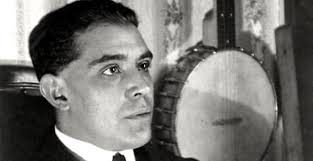
1905, October 12th, Elie, Charles, Thomas, Marie, Count de Borchgrave d’Altena born at Ixelles, Belgium.
Eldest sibling of four boys.
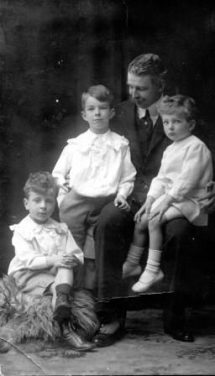
1911-CCamille-Elie-Walram-Hugues-et-Serge-de-Borchgrave
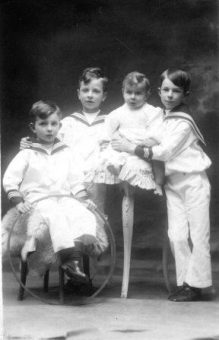
1913-Mars-C-Bruxelles-Elie-Walram-Hugues-et-Serge-de-Borchgrave

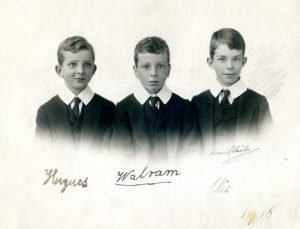
THREE BROTHERS  :
Walram 1906-1969
Hugues 1908-1964
Serge 1912-2000

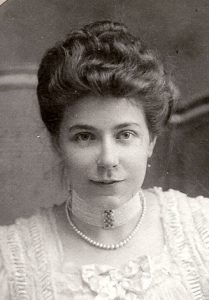
MOTHER  Ruth Snyder
1876-1964  

His mother, Ruth Reilly Snyder was a descendant from Charlemagne Tower, wealthy industrialists from Philadelphia.

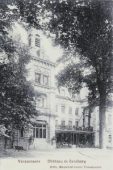
Château-de-Zandberg-Varsenaere-1-200x300 (1)
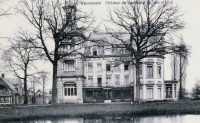
He spent his childhood at the castle of Zandberg in Varsenare, at 9 kms from Bruges. 
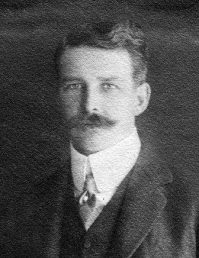
C-Camille-de-Borchgrave-1870-1940-Copie-200x260

FATHER Camille de Borchgrave
d’Altena
1870-1940

His father, Count Camille de Borchgrave d’Altena (born in 1870 at Marlinne castle – Limbourg – deceased in 1940 at Knokke) is a gentleman, relatively conventional, principled. At the beginning of the century, he was at the service of King Leopold II.
His mother met her husband in Russia at the US Embassy where her uncle was ambassador. They married in 1904 in Philadelphia.
1925-CVarsenaere-Château-de-Zandberg
Pushed out by the first world war, the family settled in United Kingdom where Elie attended boarding school at Downside College (Somerset)
1925 – 1935

YOUTH IN BELGIUM

Villa-Altena-à-Knokke
SONY DSC
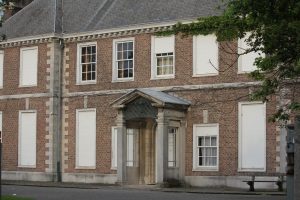
In 1930, the family moved to Villa Altena, built by Camille de Borchgrave, in Knokke.
Belgium, St Louis Institute of Brussels: Literature and Philosophy B.A. and Cavalry Officers School graduated.

It was natural in families of the nobility that family boys embrace either a military career or a diplomatic career.

1930-C-Elie-de-Borchgrave
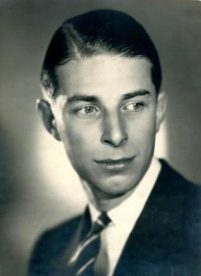
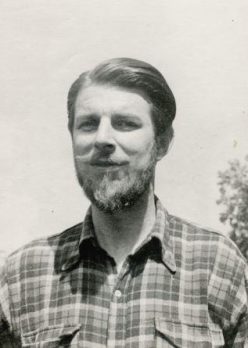
Elie at 25 years old.
1932-C-Elie-et-Hugues-Golf-du-Ravenstein
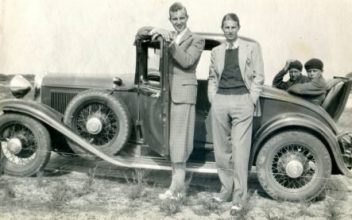
Elie and Hugues de Borchgrave.

Found of golf playing, Elie became at Ravenstein Royal Belgian golf club champion in 1929, 1930, 1933 and 1936.

Golf player: handicap +2

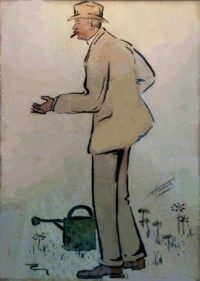
C-Caricature-Camille-Golfeur

Camille de Borchgrave’s caricature exhibited
at the Royal Ravenstein Golf Club House.

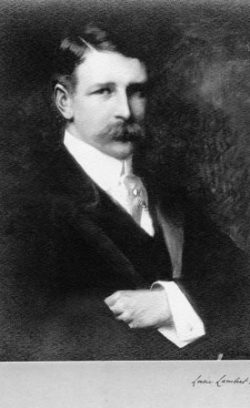
C-Camille-de-Borchgrave-par-Lucie-Lambert-1907-

1907 His father, Camille de Borchgrave,
by Louise Lambert.

1935 – 1940

THE DISCOVERY

Elie Borgrave travelled all over Europe and in USA.

Exhibitions in France before the war in 1936-1937
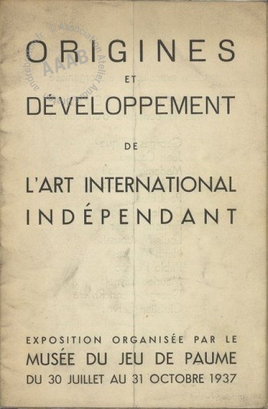
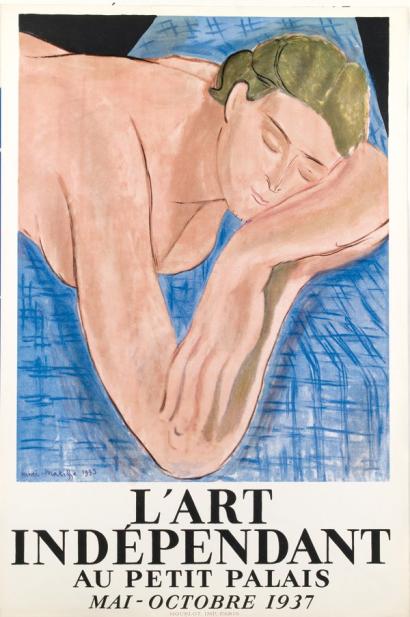
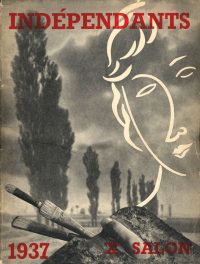
Elie Borgrave discovered abstract painting among exhibitions in Paris at Modern Art Museum “The Origin and development of international art” and The Masters of Independant Artat the Petit Palais. 

This great artistic shock determined his life as an artist and decided him, repelling all the ways that prevent him from keeping his individuality, to be a painter.

He felt an emotional revelation facing Georges Braque, Matisse and Juan Gris cubist paintings.
He broadened his knowledge of art history by learning about the great masters.

Juan Gris 1887-1927
Indépendants-1937
Juan Gris 5
1940 – 1946

THE WAR

1950 Stonington -EB et Nancy 200 dpi
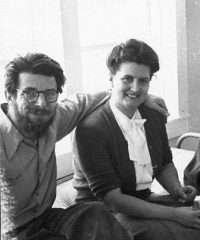
1941 september 20th, he married the British, Grace Arthur Scott Jeavons in Wales (Upton, Worcestershire).
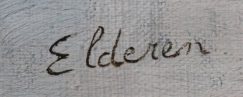
Borgrave wanted to become a painter. He worked diligently drawing and painting, assimilating all techniques. Self-taught, he filled many sketchbooks. Then, he signed his works with the pseudonym  Elderen” another family name.
Signature Elderen
ELDEREN : Borgrave’s pseudonym between 1941 and 1950.

May 1940, he is back in Belgium and mobilized but, after the Belgian and French capitulation, he left for Spain and Portugal, waiting for visas and tickets to South America. In Rio de Janeiro, under difficult conditions, he lived restauring fresco paintings of Copacabana hotel and teaching golf to President Vargas.

In 1941 april, he arrived in New-York  from Buenos-Aires, then Canada to join the Free Belgium Forces where they were regrouping to fight. They were trained by the British army in commandos. Back in United Kingdom , he came up against the military authorities and was demobilized.

He spent the end of the war in United Kingdom, London and Wales.
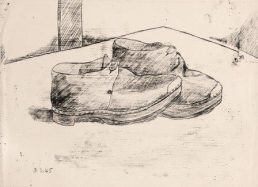
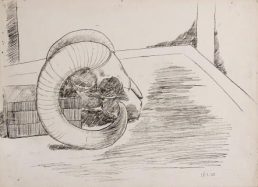
1945 45-001 Elderen '3.2.45' pencil lead print 38,5 x 27,8 cm Coll. AB-BOX- à vendre

Shoes Dated drawing 3.2.45 

1945 45-002 '18.3.45'pencil lead print 38,5 x 27,8 cm Book p. 28 Coll. AB-BOX

Shoes Dated drawing 3.2.45 

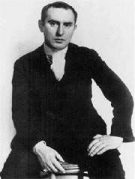
Jankel_Adler_1895-1949
He met the Polish jewish painter,
Jankel Adler, former professor
at the Bauhaus, in exile in London.
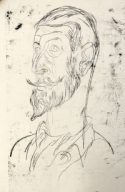
1945-Elie-Borgrave-par-Jankel-Adler-1895-1949-Peintre-juif-polonais-Art-dégénéré--200x308

The latter painted a portrait
of Elie Borgrave and the two
artists will become good friends.

1941, His father, Camille de Borchgrave, died in Belgium.
1945 Elderen oil pastel 49 x 39 cm Coll. N&S B

Elderen bold pastel 49 x 39 cm
Private collection


1946 – 1948

AFTER THE WAR

In 1946, he was back in Paris and befriended with Geer and Bram Van Velde.
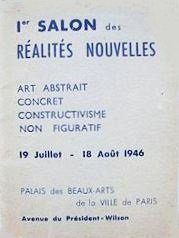
He participated at the “Salon des Réalités Nouvelles”, created in july by the art lover Frédo Sidès, with Bram and Geer Van Velde, Maria-Elena Vieira, Sophie Taeuber-Arp etc. 
File source: http://commons.wikimedia.org/wiki/File:Couverture_du_1er_Catalogue_du_Salon_des_R%C3%A9alit%C3%A9s_Nouvelles_en_1946.jpg
The Salon, which was held in the Palais des Beaux-Arts in Paris, offered a unique visibility for abstract art, with a very open policy and a will for international participation. In the line from Abstraction-Creation, it was meant to set up annual “concrete art, non figurative or abstract art” exhibitions.
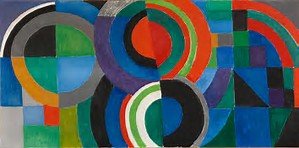
Robert et Sonia Delaunay
th0W9CZZ4I (1)
Elie Borgrave returned in Belgium and participated, for the first time, at an exhibition at Galerie Louis Manteau in Brussels, one of the first galleries to show abstract art.

He divided his time between Brussels, Paris and New-York.

th33EBQHQF
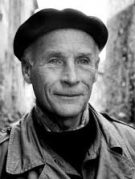
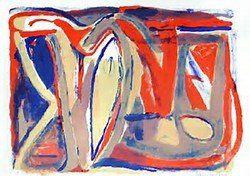
Bram Van Velde
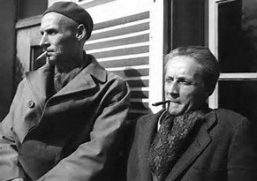
Bram and Geer Van Velde who became very good friends. 
th2A73DDLN
Bram Van Velde
IMG_3844_DxO_DxO
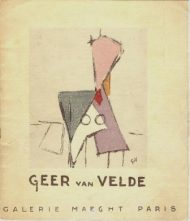
Exposition-Geer-Van-Velde-Galerie-Maeght
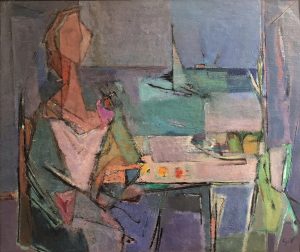
Geer Van Velde
1948 – 1954

AMERICAN TIME

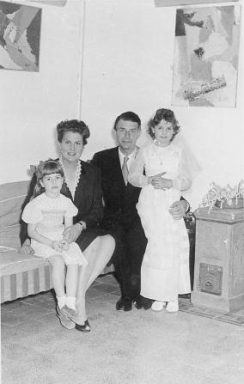
Birth of his daughters, Semira and Nicole, in quick succession.
1948 Stonington 1.200 dpi
Stonington-6

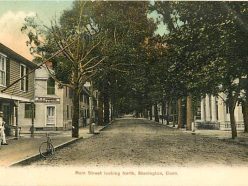
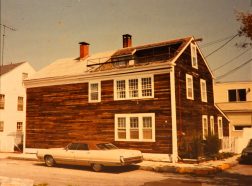
In 1949, he set up residence and studio in Connecticut ,5 north West Street at Stonington (150 kms from New-York)

IMG_1579-2_DxO
1948-48-018-Sketch-book-D-Ink-on-paper-21-x-17-cm-27

In the same time,  Borgrave founded there a Modern Art Summerschool with his brother in law, David Chapin, American abstract painter.

OCT14-9361
David Capin Composition No.1 :
1950 27 mars Stonington 1.200 dpi
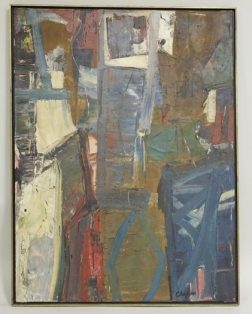
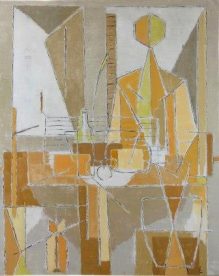
1949 Elderen Oil on canvas 92 x 77 cm Coll. N&S B, Lausanne, CH

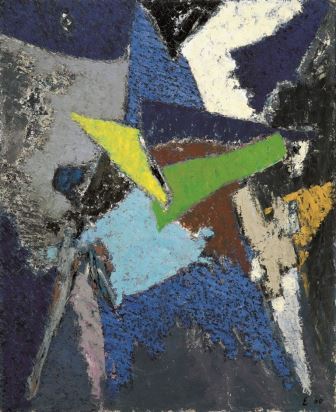
His style was decided, non figurative, a form of lyric abstractism or abstract expressionism but he did not want to belong to a particular art movement.

His painting reflected an intellectual, almost mystical approach which tent to show a search to absolute.

Elie-001_DxO
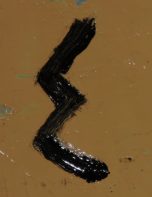
Elie Borgrave decides to give up his pseudonym and signs his paintings of the monogram,
capital greek sigma, Σ, followed by the year of the creation of the work.
E 50 Oil on canvas 100 x 80 cm On the back ''E 50'' Coll. BB
1950 : First oil on canvas lower right monogrammed ” Σ “
During his stay in USA, he participated to group exhibitions at Pennsylvania Academy, Museum of St Louis Annual and Cincinnati Museum Annual.
His style was chosen, not figurative, a form of lyrical abstraction.
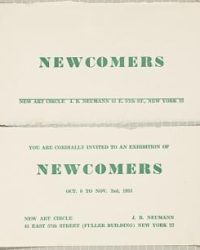
Elie Borgrave immigrated to USA. He met Jsraël Ber Neumann, famous art critic and dealer who exhibited his paintings in his gallery, the New Art Circle in New-York from 1949.

Neumann moved to New York City in 1923, a year later he would open a gallery, first called J.B. Neumann’s Print Room and later the New Art Circle gallery, which was also known as a meeting spot for artists and art lovers.

He championed progressive living artists, including Wassily Kandinsky, Max Beckmann, Paul Klee, and Georges Rouault.
1954 3 Août Stonington ('Reconciliation of Greys')
1954 3 Août Stonington (2)300 dpi
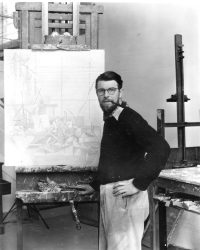
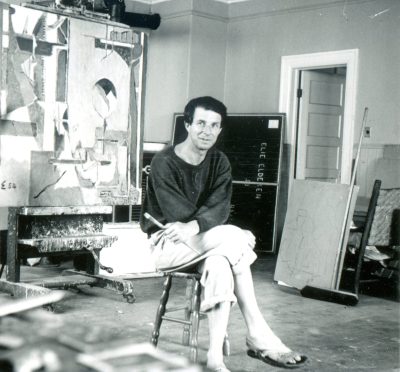
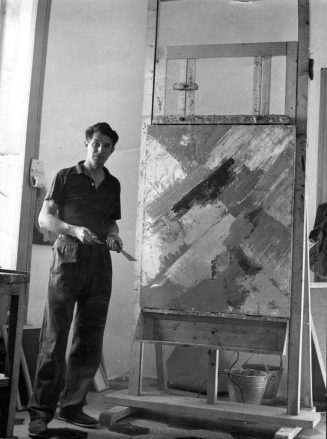
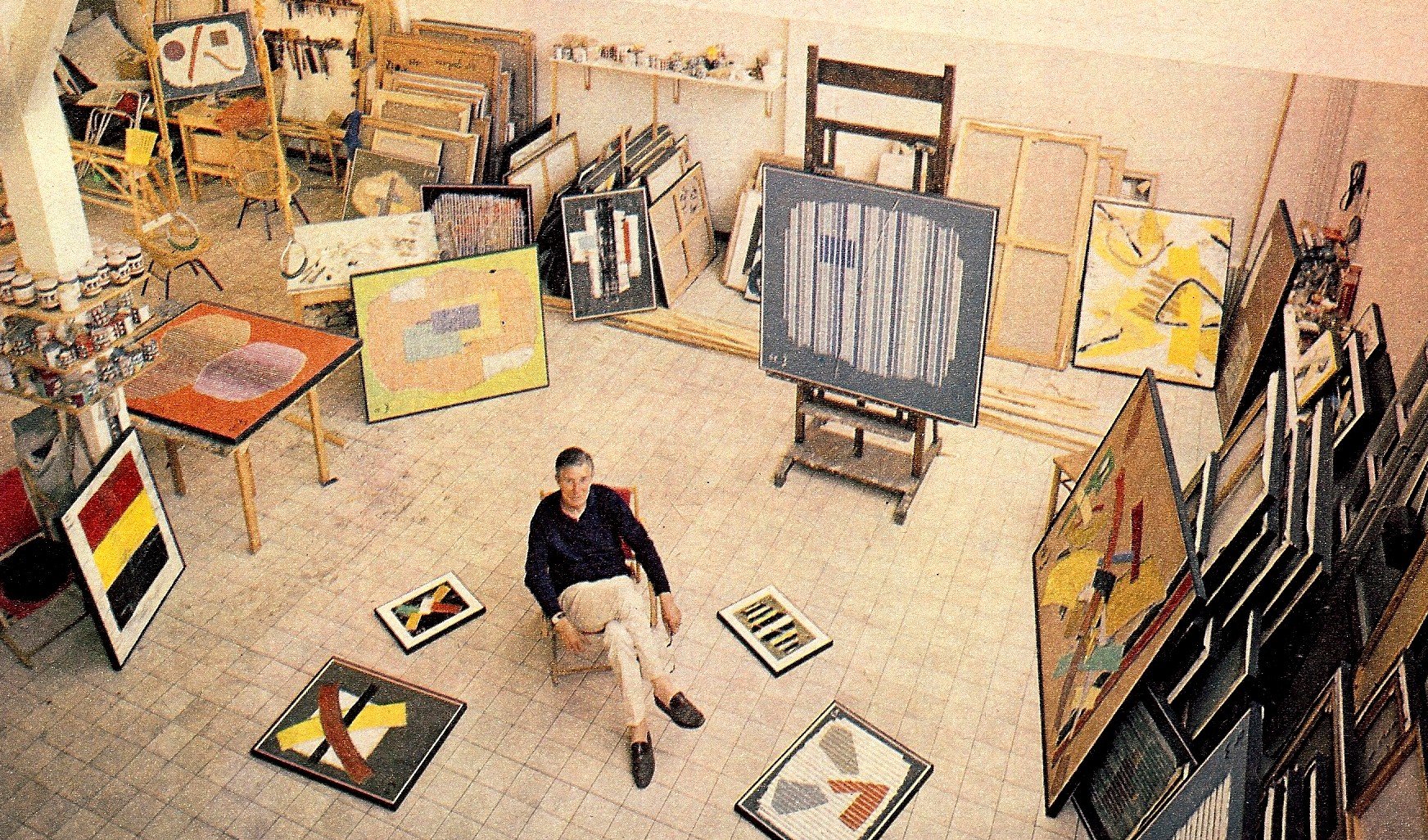
Studio in Stonington
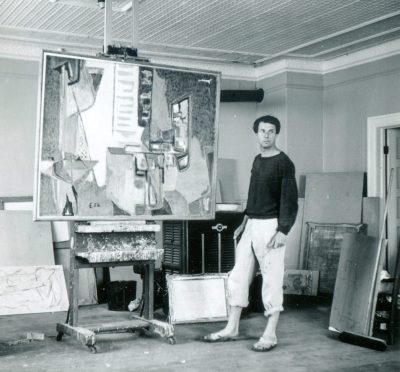
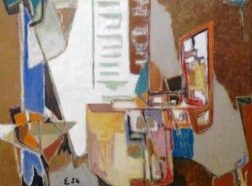
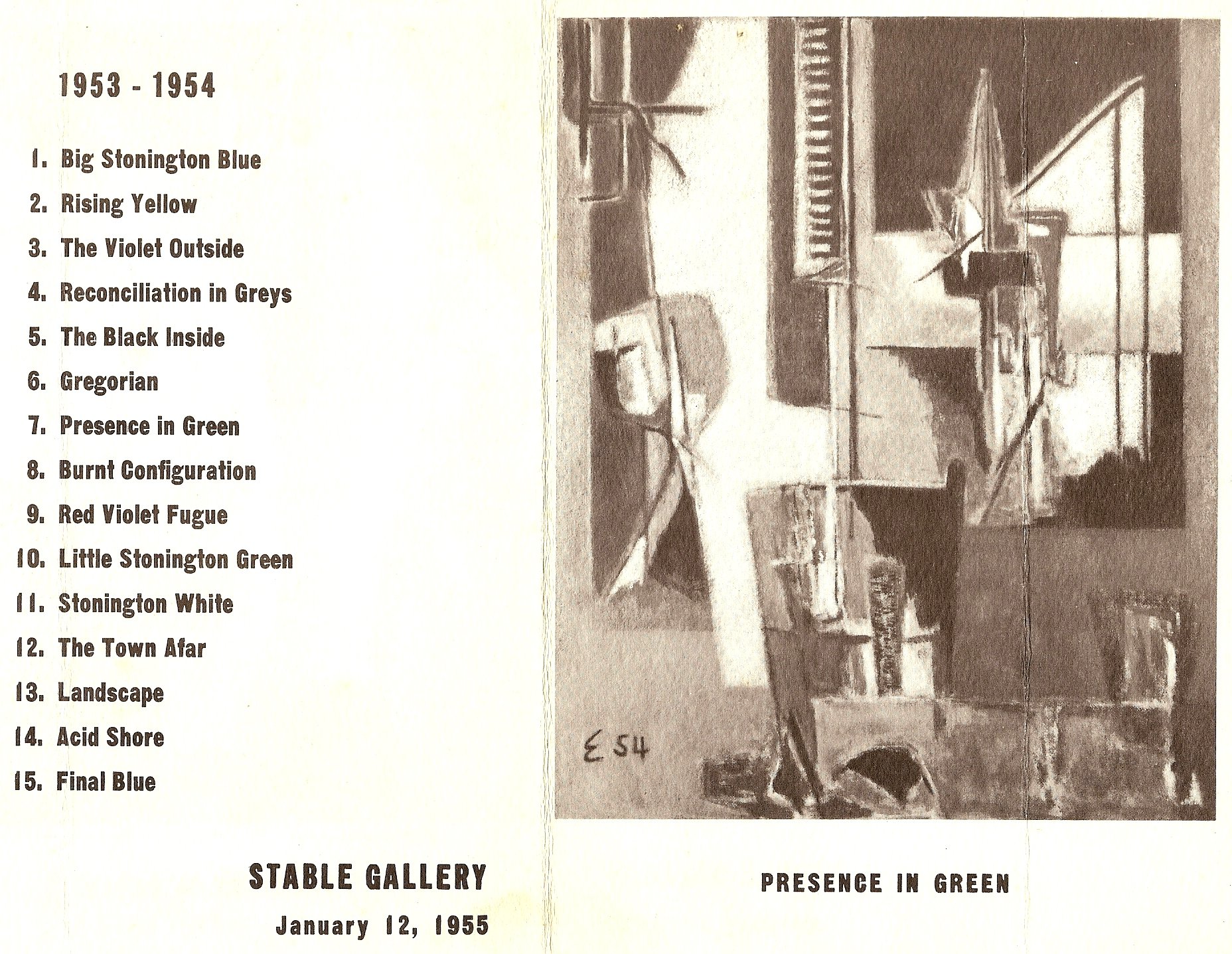
E 54 ''Reconciliation of Greys'' Oil on canvas 122 x 152 cm Stable Gallery n°4 Jan.12, 1955 Coll. Annette d'Assche-Sardaigne
Elie Borgrave in his Stonington’s studio, in front of the painting “Reconciliation of the Greys” 1954, exhibited at the Stable Gallery in 1955.
AAA_neumjsra_12465, 8/4/05, 1:38 PM,  8C, 5540x6712 (300+645), 100%, Default Settin,  1/20 s, R67.0, G56.6, B68.2
The “New Art Circle”, gallery created by J.B. Neumann
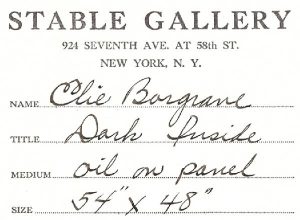
Back of Dark Inside
The meeting between Elie Borgrave and YB Neumann launched his career in the United States.
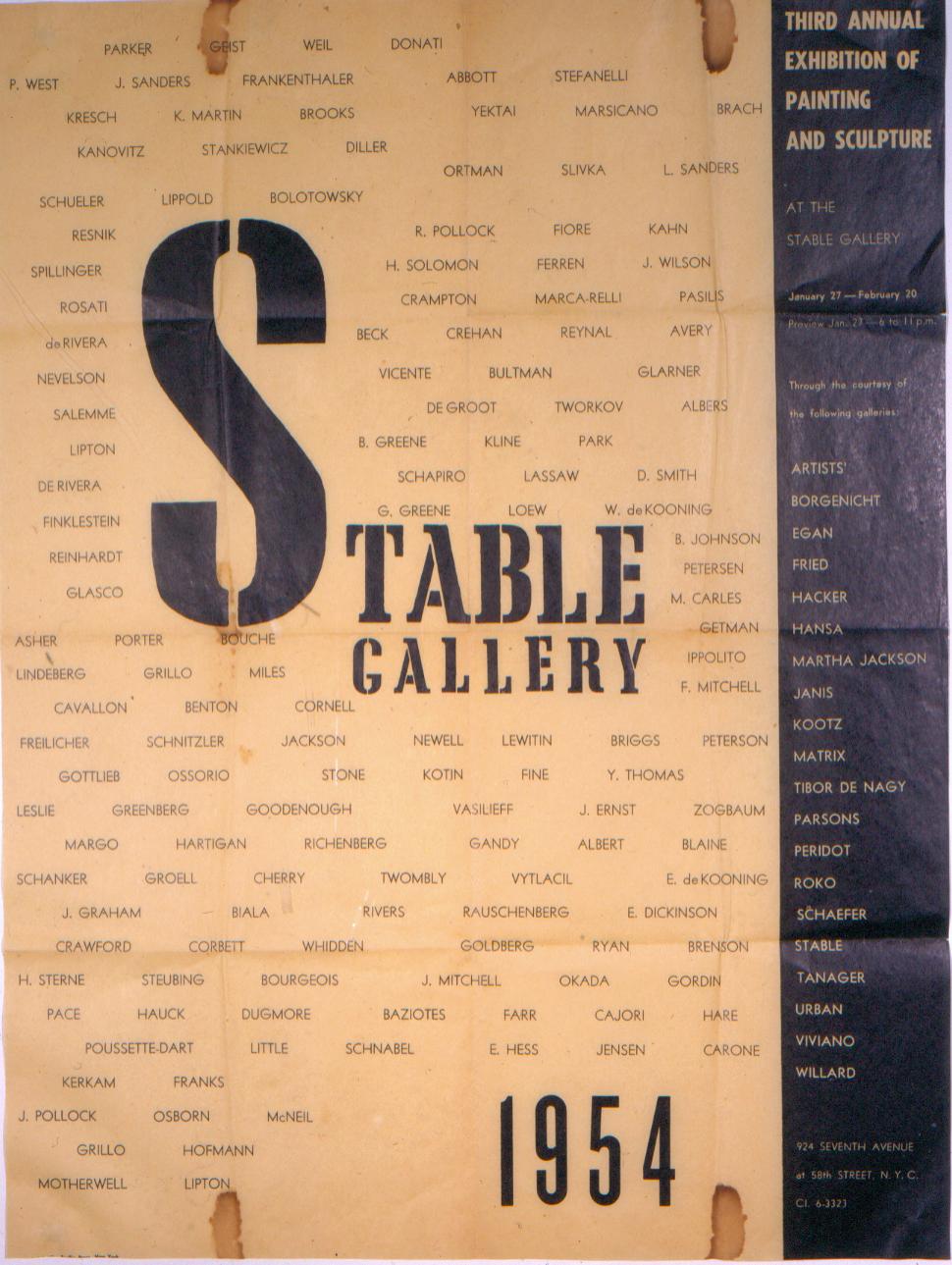
He participated to many group exhibitions in New-York, at J.B. Neumann Gallery, then at New Art Center before being consacrated by his first personal exhibition at Stable Gallery (1954 december 20th-1955, january 20th), under the aegis of Mrs Eleanor Ward, Director.
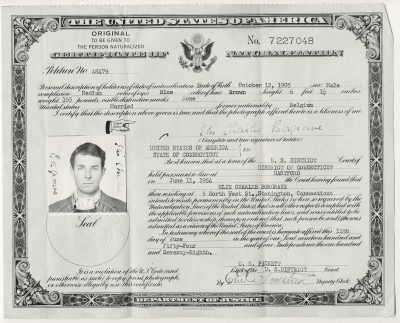
Certificat-de-naturalisation-11.06.1954-Elie-Charles-Borgrave
1954 june 11, Elie Charles Borgrave became a naturalized American.
1955 – 1958

ITALIAN TIME

Elie Borgrave did not feel in tune with the New-York School and wanted to detach himself and feel free from all influences.

At 1955, he decided to return to Europe.
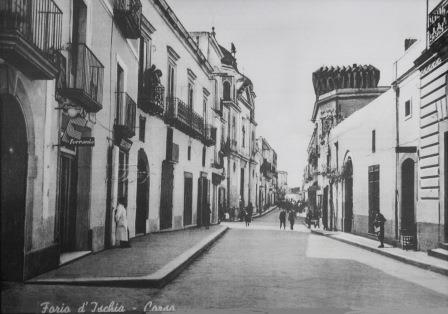
1957-Forio-dIschia-2
1956 (C) Ischia
Borgrave in his studio in Ischia island

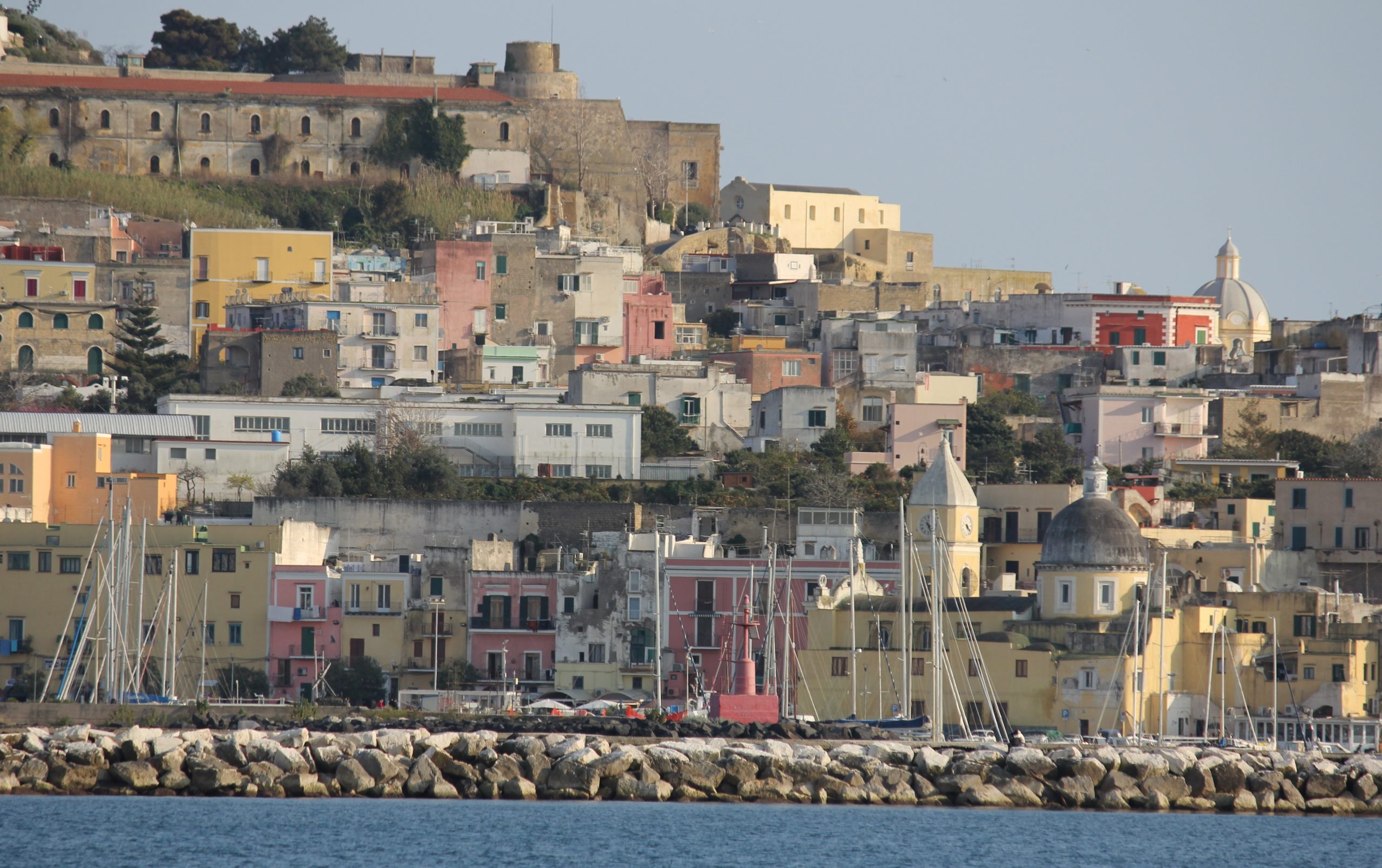
He moved to the island of Ischia, at Forio d’Ischia in front of Napoli in Italy.

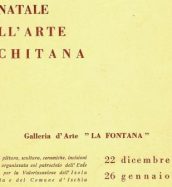
1957 Page de couverture Expo. Ischia
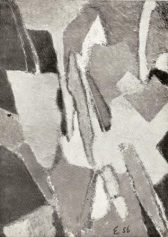
1956-E-56-Serenità-Natalizia
1956 “Il Serenita” Oil on canvas exhibited at Galleria d’Arte “La Fontana” which brought together painters, writers, poets and artists from all countries.
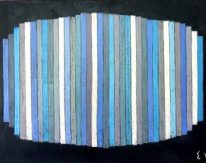
E 56 Oil on wood panel 46 x 121 cm Book p.53 Coll. N&S B
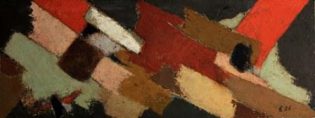
Σ 56 Oil on wood panel 46 x 121 cm
OLYMPUS DIGITAL CAMERA
Σ 56 Oil on wood panel 20 x 57 cm
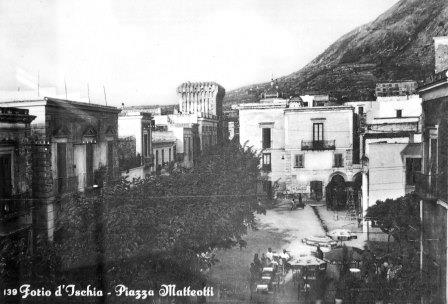
In the 1950s, Forio d’Ischia
IMG_0030
The cost of living, the climate and the artistic atmosphere enabled him to exhibit in Ischia, Bordighera, Positano and especially in Roma at the Galleria Schneider.
Roma 1957 (2)
Exhibition in Galleria Nazionale d’Arte Moderna in Roma
Denis Laoureux (2017 “Elie Borgrave” Snoeck Editions, Ghent, Belgium)said ” Why Italy? We can imagine that the cost of living in the Neapolitan region must have beenone criterion. But it was not the only one. In fact, in the 1950s, Rome and Northern Italy – Milan and Turin – were artistic hubs. So, it was also in that context of artists on the move that we must include Borgrave’s installation in Italy, where he stayed untill 1958. Twombly, or example, who had also first earned his spurs at the Stable Gallery, moved to Italy in 1957, and gradually reviewed his painting in an approach which encompassed the presence of language and paint within one and same picture.”
1958 – 1962

FRENCH TIME

After many trips in Europe, Borgrave decided to leave Italy, and to settle in France.
Borgrave in his studio in France

In that time, he participated to exhibitions in United Kingdom and in Germany (Dusseldorf).

He separated from his wife who went to live in Switzerland with their daughters.
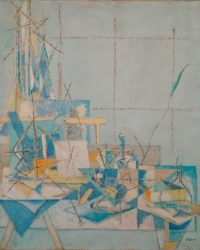
Σ 60 Oil on canvas 158 x 140 cm
Σ 62 Oil on canvas 146 x 114 cm exhibited in Ixelles Museum in 2017

Elie Borgrave and his family settled in Fourqueux, to the west of Paris,
near to St Germain-en-Laye and Fourqueux’s golf club.

Borgrave exhibited at Galerie Synthèse in Paris, and sold those two paintings to the French Art Modern Museum (MAM).
1963 – 1989

BELGIAN TIME

Back in Brussels, Borgrave lost his mother who was still living at Knokke, and settled there for a while.

These setbacks encouraged him to seek serenity. Living in Ixelles, he met a new lady, a widow, from Antwerp. He will find with her a new inspiration, a faith and a new impetus. He married her and seeked a place to live and paint.

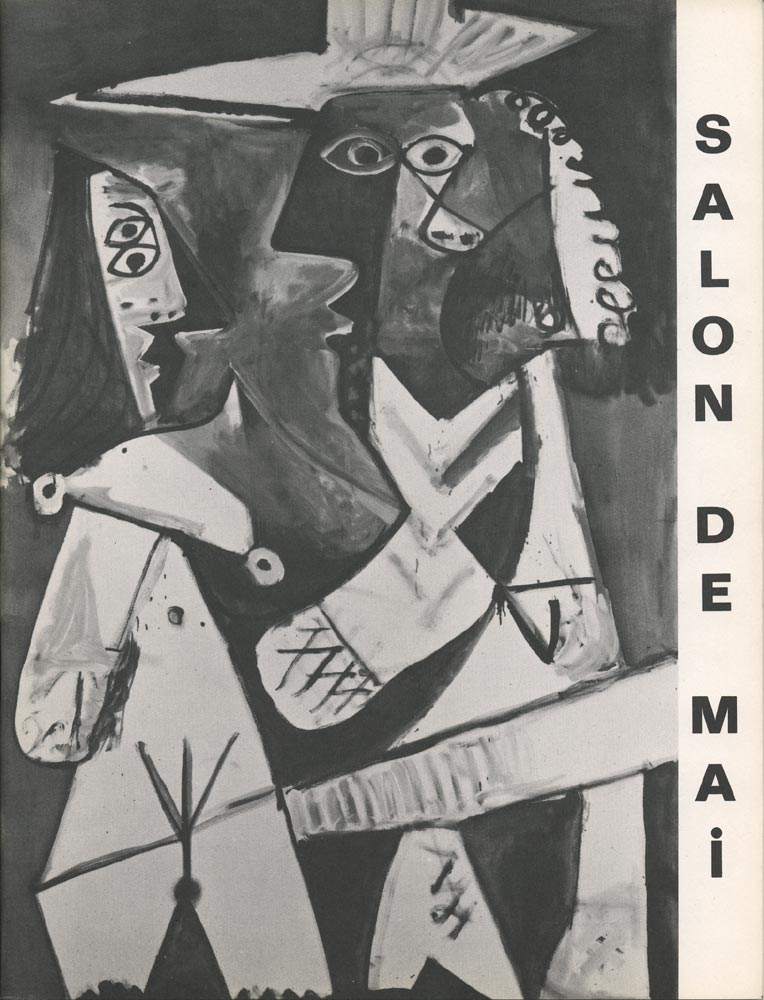
During 1970′ and 1980′, Borgrave had many group exhibitions in Belgium, Galerie Tamara Pfeiffer, Galerie Veranemann in Brussels, Museum d’Hondt-Dhaenens in Deurle, in Paris at the Salon de Mai in 1971 et 1972.
Some personal exhibitions at the Galerie Denise Van de Velde in Alost, Yoshii in Paris and Galerie Unip in Lausanne in 1981, Galerie Willy d’Huysser in Knokke in 1988.
1) Page de couverture Catalogue d'expo E 70 N°1
E. Veranneman, art dealer and designer
E 74 74-023 (74-19) Oil on canvas 130 x 110 cm Coll. N&S B
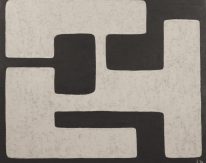
E 70 70-024 Oil on canvas 114 x 162 cm Expo Ixelles 06.17 Book p. 116-117 Coll. EP Belgium
1970’s Oil on canvas
Palais des Beaux-Arts.png 2

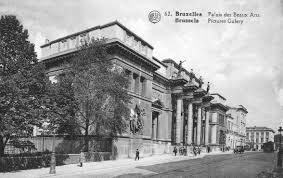
In 1963, he saw his career revived, despite his long absence, by a personal exhibition at the Palais des Beaux-Arts in Brussels

1970 EB & LB (2)

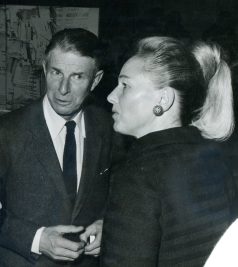
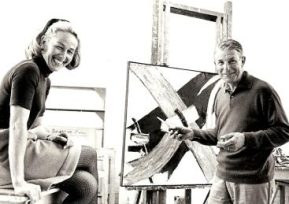
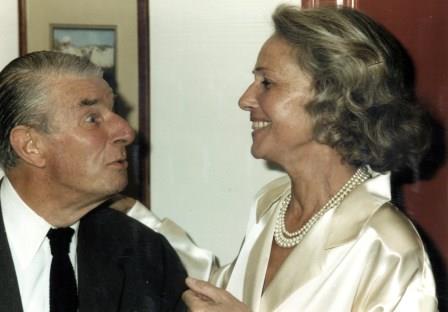
Elie and Lucie de Borchgrave at exhibitions openings

IMG_8192
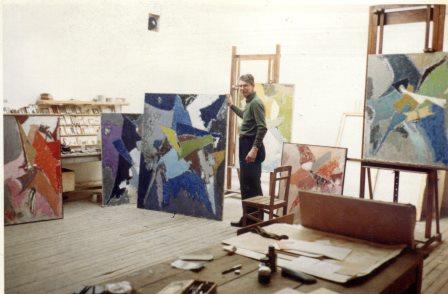
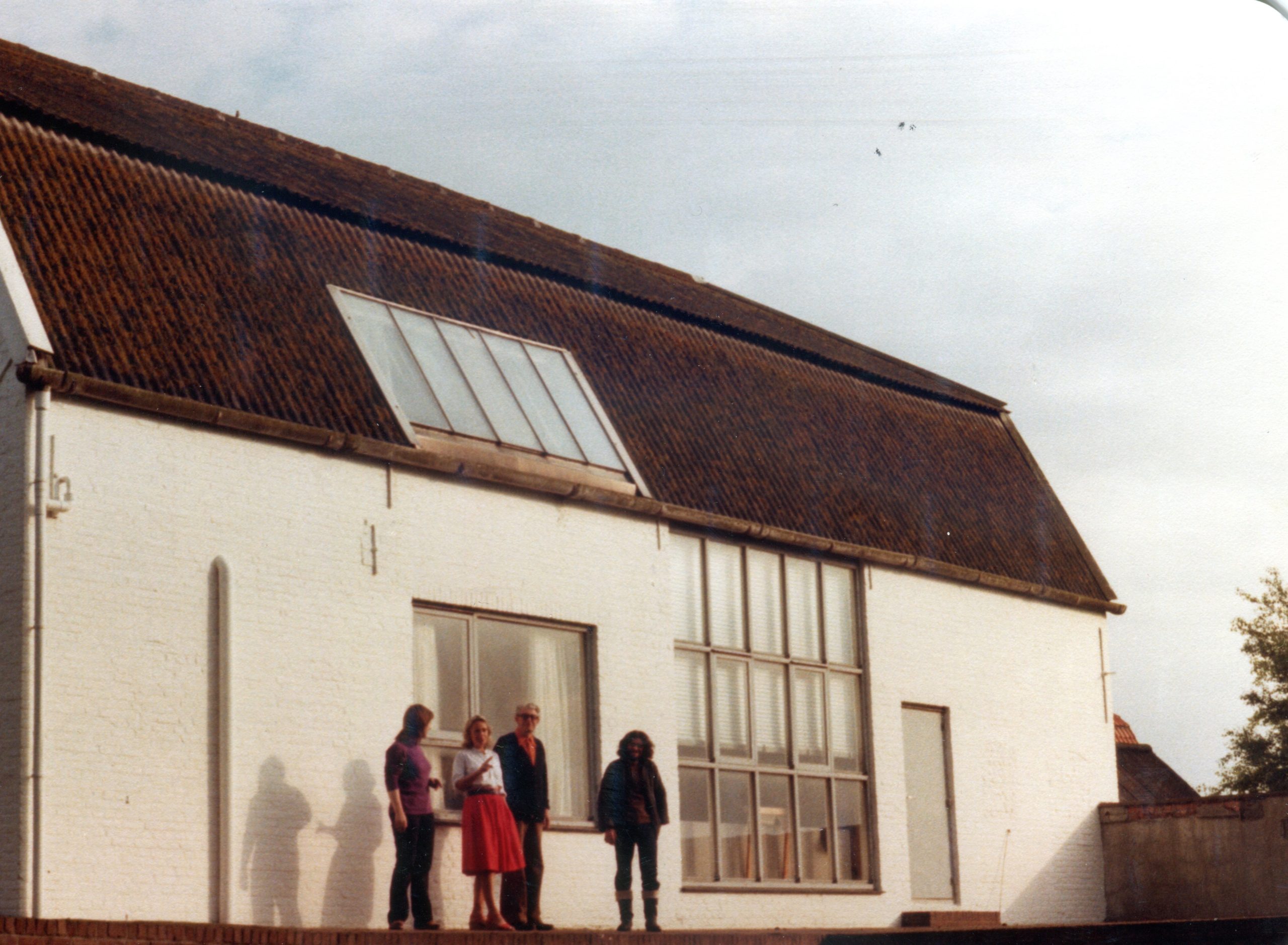
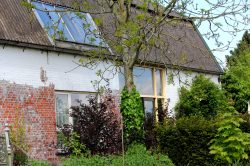
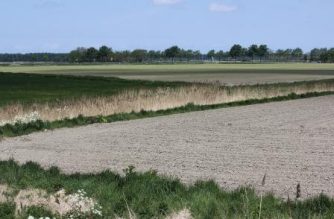
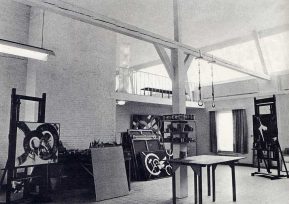
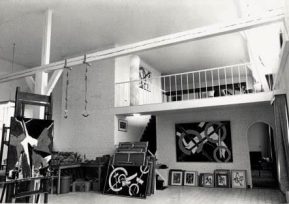
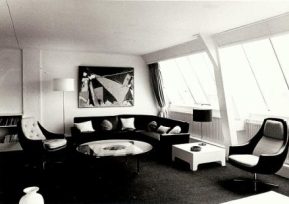
In 1967, he found on the Belgian border, in Holland, a barn in the countryside (near Sluis, in Zuidzande) that he partly converted, in a studio, and partly, very minimalist decor, black and white housing .
There, he found this serenity that gives him a new breath of inspiration, more refined and sipiritual.

The campaign, soothed and allowded him to return to find his values. They are assumed, and its production will be prolific for twenty years.

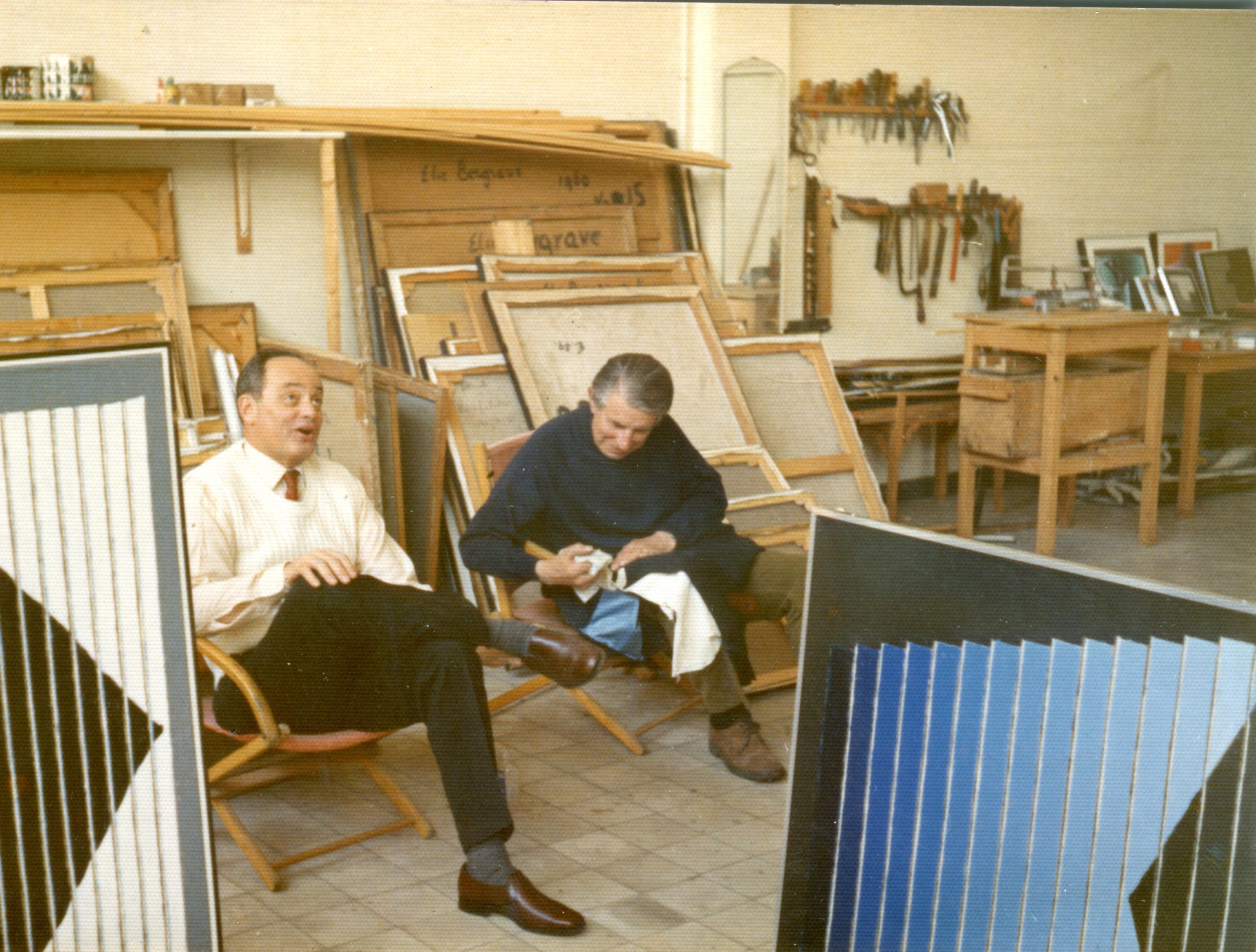
Studio in Zuidzande
File source: https://commons.wikimedia.org/wiki/File:TeNuylSmitEnzinckDullemen.jpg

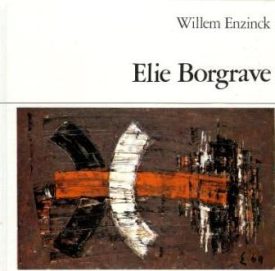
Willem Enzinck : 1969 “Elie Borgrave” Arts & Voyages Editions, Lucien de Meyer, Belgium

Elie_Borgrave_by_Willem_Enzinck_Editions_Arts__Voyages_1969_Lucien_de_Meyer_éditeur-150x150

During this Dutch period, he multiplied the exhibitions and had be chosen to represent his country at the World Exhibitions (Belgian Pavilion) in 1970 in Canada (Montréal)  and 1972 in Japan (Osaka) with the help of his friend, Emiel Veranneman, designer and art dealer, who exhibited him in Brussels.

IMG_8207

In his early 1960’s, he extricated himself from the ‘old cubism’ in a cosmic conception.

This period marked a synthesis between Europe and America, creating very personal, liberated and original work.
1968 (C)Atelier en Zélande
1968 (C) Zuidzande 1
numérisation0001
House and studio in Zuidzande for 20 years.
numérisation0002
In Zuidzande, he worked all week awaiting the arrival on weekends, his wife, Lucie and their son, Alain.
1970 EB 200 dpi
1971-C-Mai-Zuidzande
1989 – 1992

LAST TIME

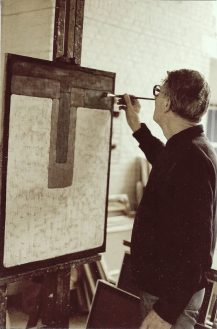
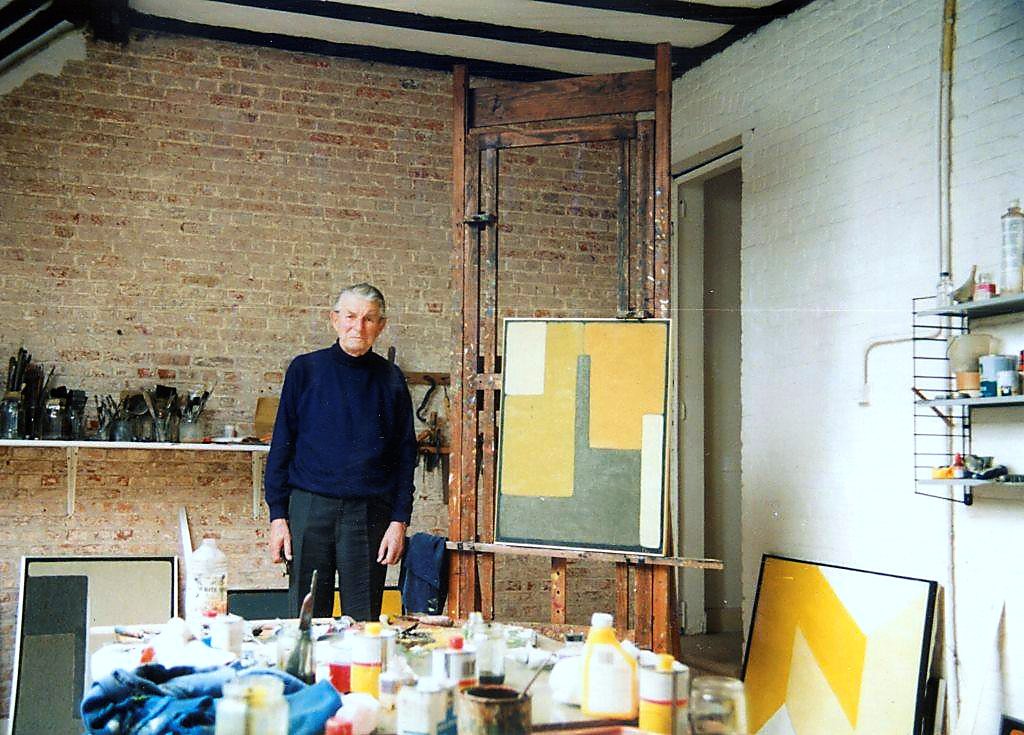
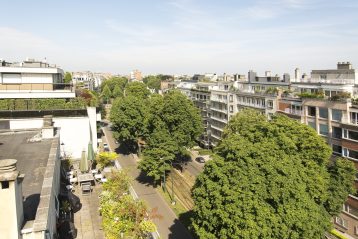
Elie Borgrave left Zuidzande and settled with his wife Av. Winston Churchill in Ixelles. He settled his last studio very near home.
1990-C-Atelier-de-Bruxelles-catalogue-dexpo-W.-dHuysser
Exhibition in 1989 at Willy d’Huysser’s Gallery at Knokke-le-Zoute (Belgium)
Last studio in Ixelles (Av. Winston Churchill)
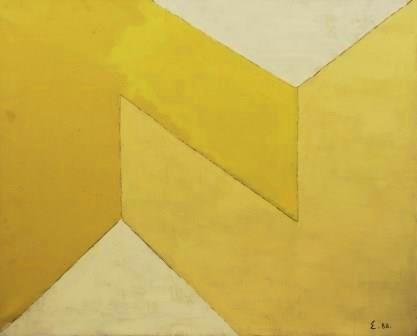
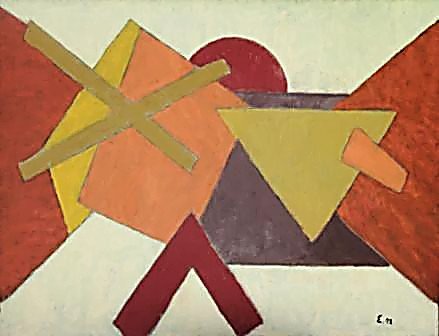
Oil on canvas, monogrammed “Σ88” 81 x 110cm
BXL-1
Av. Winston Chruchill in Ixelles

“The time has come to pay tribute to ELIE Borgrave who patiently, silently, I would say religiously, accumulated a work of quality and distinction. We show a fifty paintings of the 60s, 70s and 80s, and the sense of power that emerges is consistent with a surprise: this one of our most important abstract painters living and working tirelessly on our side and … we knew him so bad!

The solid reputation he had acquired abroad, especially in the USA, will finally allow us to take our turn! Typical Belgian default we do not recognize ours when he was recognized abroad. Elie, thank you for your long patience.”
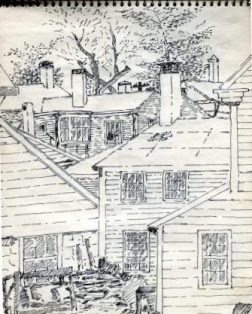
Willy d’ Huysser (1989)

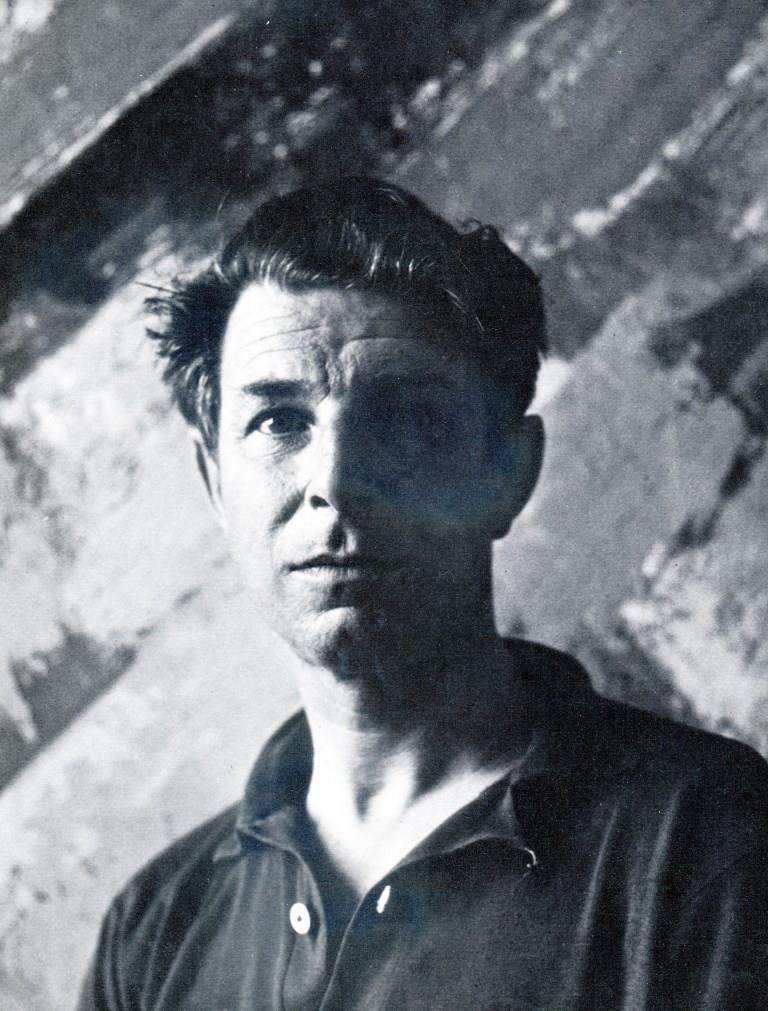
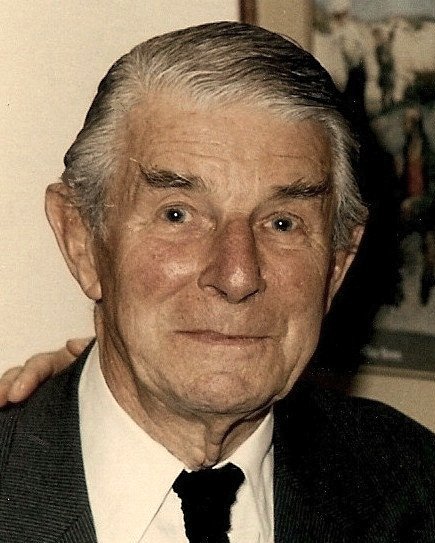
1992.10.16 Elie Borgrave died at 87 years old in his native country, in Ixelles, Brussels (Belgium)
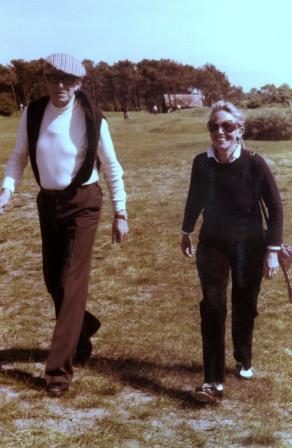
1990-C-Golf-Copie

Av. Winston Chruchill in Ixelles

Elie et Lucie de Borchgrave
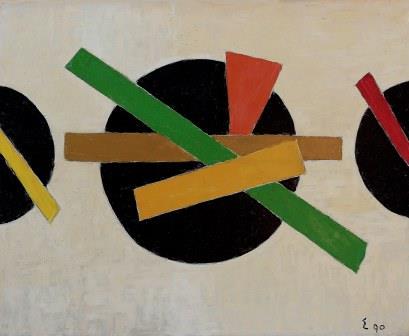
Oil on canvas, monogrammed “Σ90”,81 x 110cm

Oil on canvas, monogrammed “Σ90”,89 x 116cm