
ITALIAN PERIOD
1954-1958
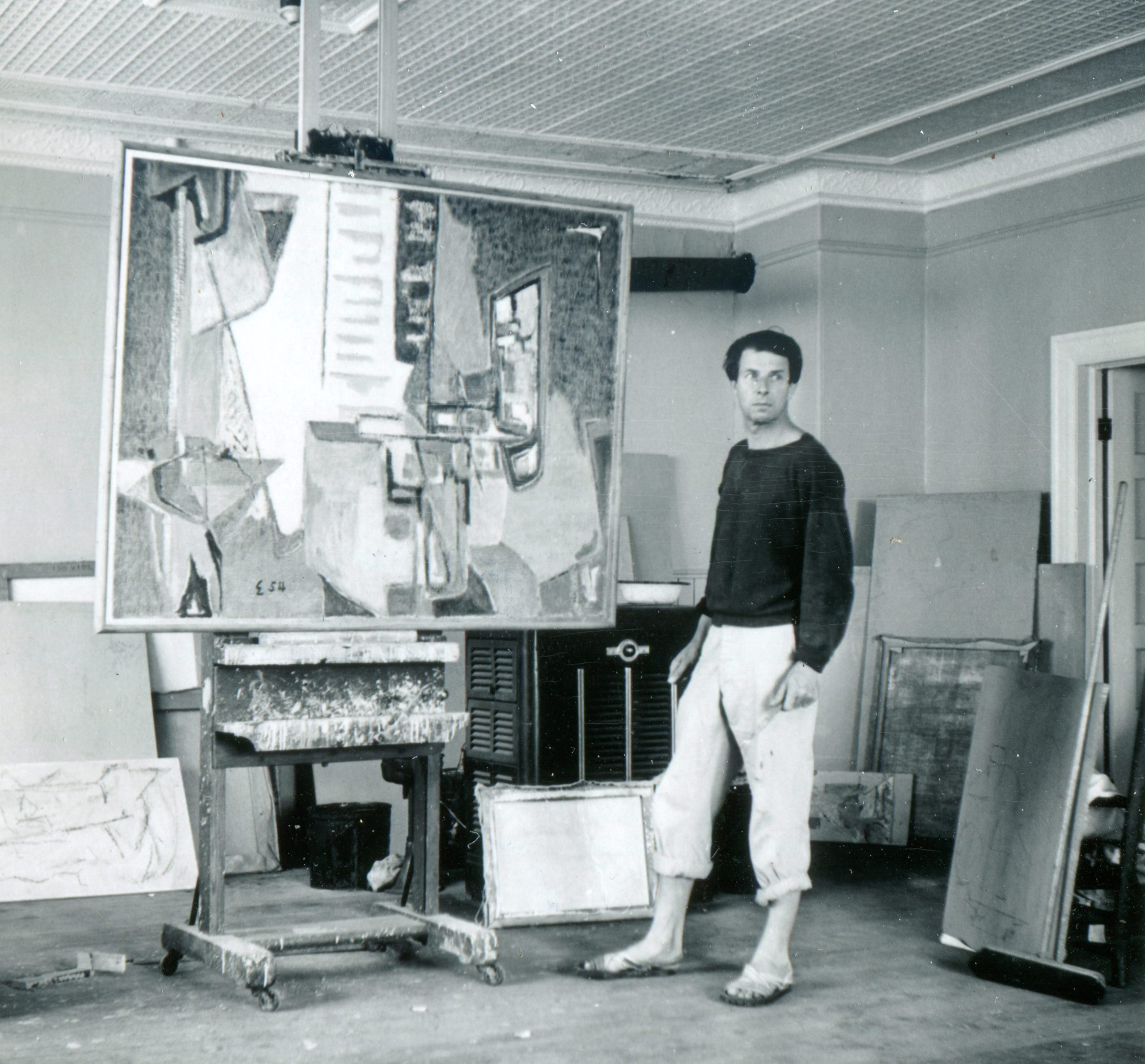
After the Stable Gallery exhibition, the situation changed. The international aesthetic climate has veered towards the lyrical and gestural celebration of paint. He did not want to follow this new american trend. Borgrave’s approach did not apply the American all-over principle in treating painting in a non-hierarchic way by painters from CoBrA.
The forms were freed from all linear structure and were expressed through the sensation of movement. Once out of its gangue, paint crackled, vibrated and grew thicker. For him, painting represented a poetic broadening of reality.
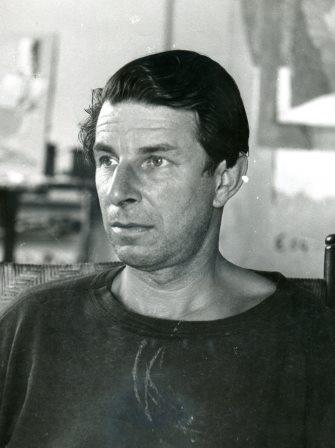
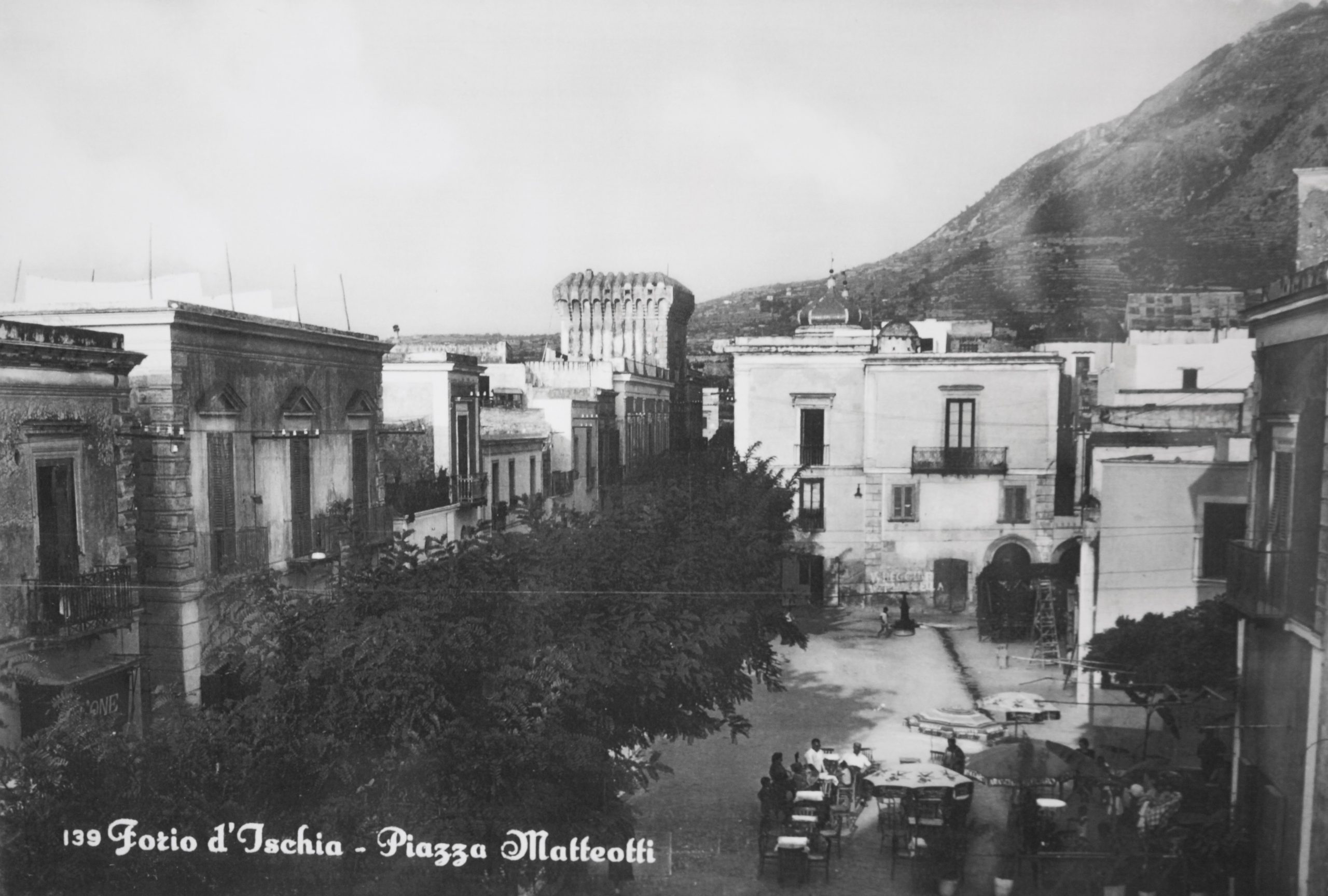
Borgrave returned to Europe and its convictions and settled in Italy, near Naples in the island of Ischia. It was in Rome that his painting found a visibility. Actually, in the 1950’s, Rome and northern Italy were artistic hubs. He found there the same dynamic in several painters hailing from CoBrA.
However, he maintained all his relationships in USA with the galleries and sent paintings from Italy.
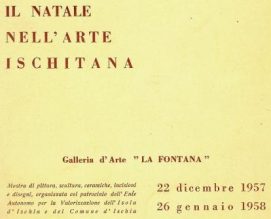
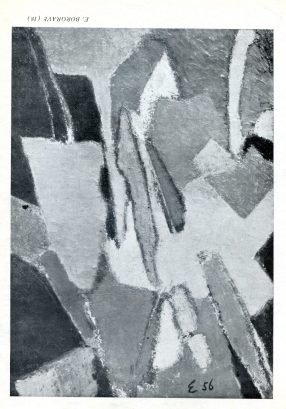
“I believe the same is true of painting. The American public, however prefers the flashier and more superficial products of the galvanic impulse. For doubtless they have no time to look properly and no inclination to anything but an immediate flucting stimulant.” ∑ 27.02.56
“However hopeless the position of the artist today; however fatuous and pointless his work may seem within the framework of modern industrial welfare society, yet his (the artist) activity is the only protest against individualization, against rampant equalitarianism, against the inherent belief in collective salvation. He is the last man who would still rather serve a god than a group, and sometimes indeed rather God than the group. The risk that his work be destroyed or without offspring fruit is well worth taking.”
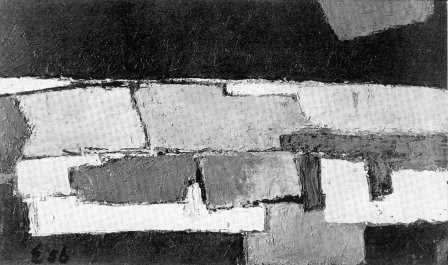


Σ 56 Oil on panel 21 x 32 cm
“To rebel is to be unwilling to serve Satan the great nihilist.” ∑ 27.02.56